
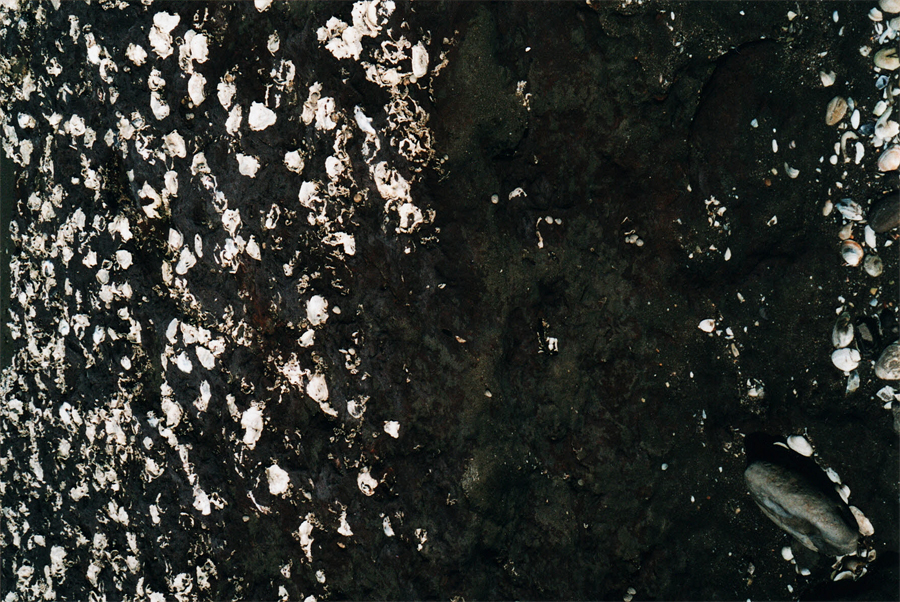
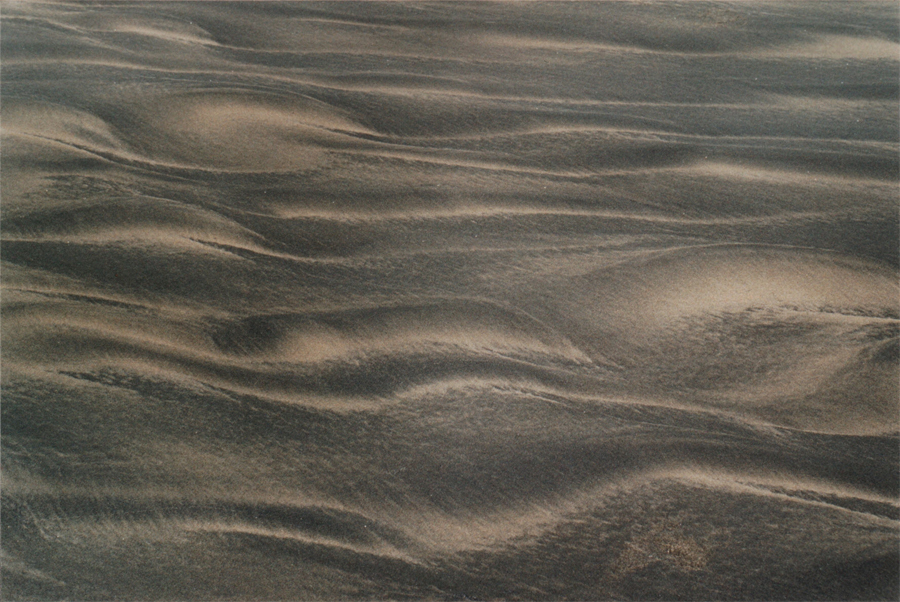
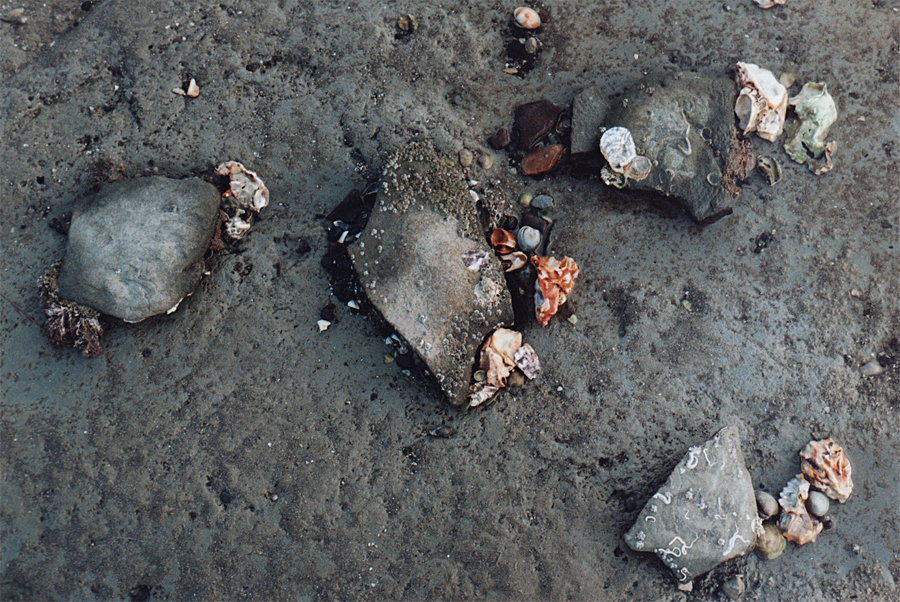
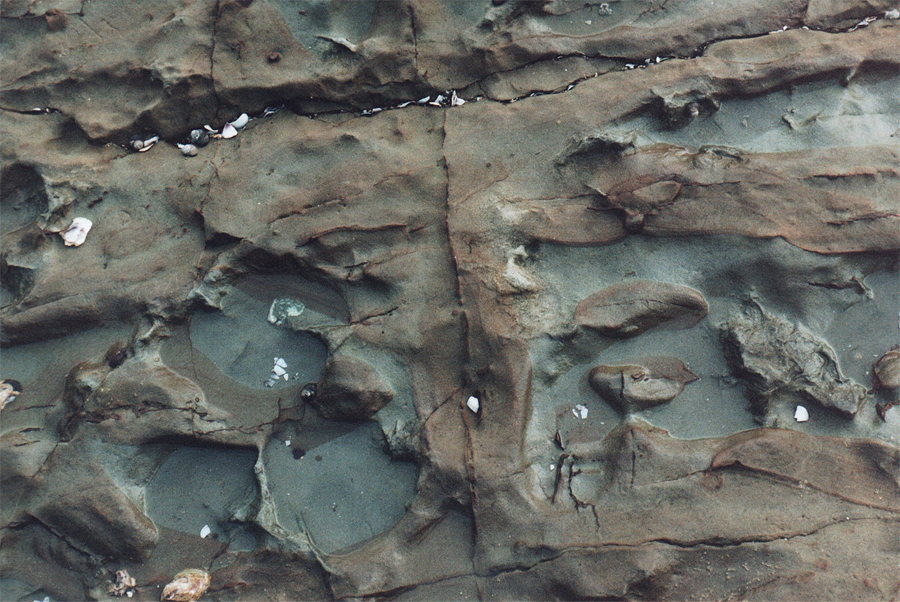
“I awoke in a riverbed, trying to make sense of my cradle made of sand, pebbles and shells. It felt cool to the touch, yet I was not cold, indeed it was comfortable just to lie there undisturbed, my consciousness spread out through the strange patterns etched in mud. But I soon felt the questioning of my own mind, asking me to stand up and walk around. Then I saw I was not alone there: my brothers and sisters had also taken shape from the river’s silt deposits. There were small groups of us gathered in curiosity by the riverbank, listening to a wise old man. He was telling a story about the Sun, we were to follow the Sun on our journey of life. We pictured his words in our minds, and were filled with excitement for the great adventure being proposed.”
(A dream from 2004)
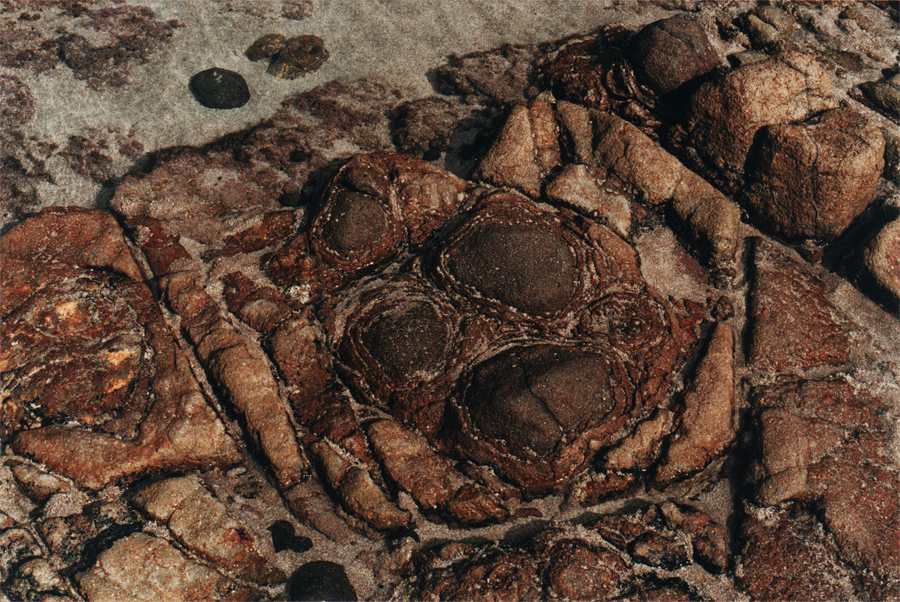
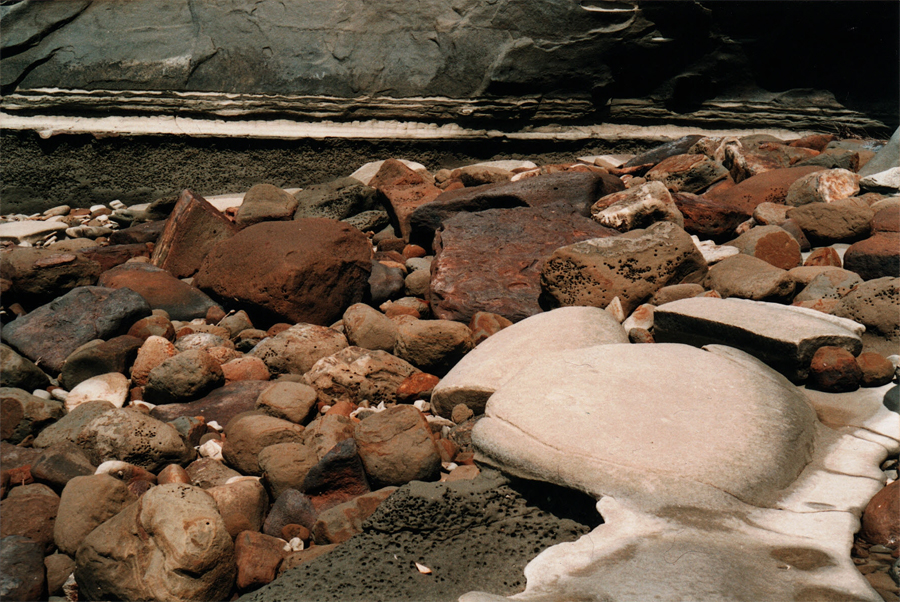
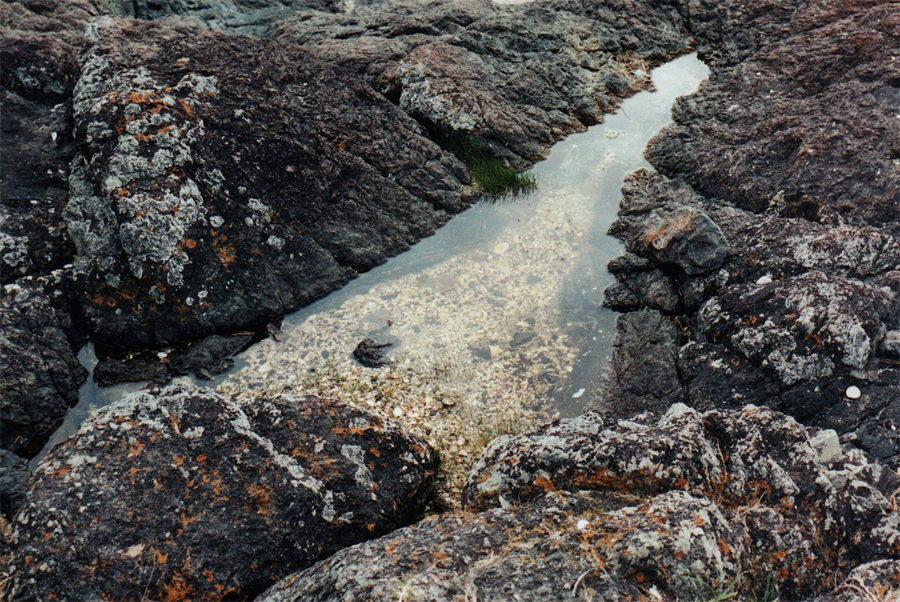

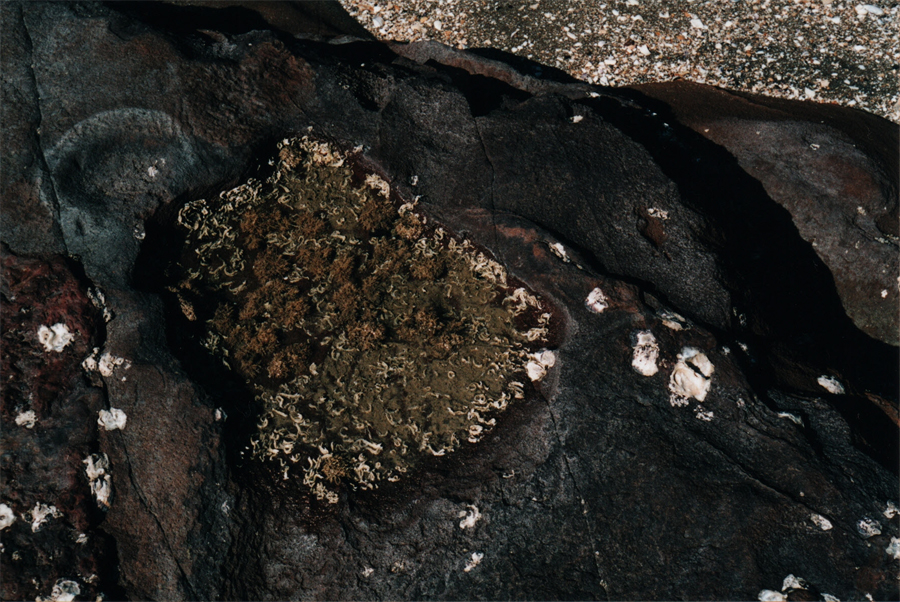



This project began as a study brief at the Auckland University of Technology in New Zealand, which prescribed exploring the clash between Western individualism and tribal concepts of identity, mostly focusing on Māori culture with the latter, as a theoretical basis for detailing our own struggles with group dynamics. However, I found that approach to be flawed: since collective identity is constructed, not empirical, its discussion often relates to academia itself, beginning in the 19th century. That timeline alerted me to the high probability of absorbing assumptions inextricable from colonialism. Indeed, by failing to examine a colonial bias, the brief brazenly implied that people could only live as individuals within the dominant Western culture, all other expressions of identity were collectively enforced on passive participants: koeau.
This concept was framed as being “totally foreign” to a modern student, with the clarification that it defined belonging in outdated ways that prioritise the group, or “I am because we are.” Anyone with an allergic reaction to groups, like I am, could easily be swayed into cheering for “the winning side” where community ties are deemed irrelevant to who one is.
But take this modern student, for example: I was an immigrant from Eastern Europe, uncomfortable mixing with my own ethnic group abroad. I had grown up enchanted by tales of distinct Native American cultures and had also faced ridicule for my unconventional interests within the framework of Western capitalism adopted in my country. These incongruities seemed to challenge the very foundation of the project; so I spent weeks going over it in my head, collecting hundreds of tribal representations of sacred trees (an enthusiastic celebration of uniqueness, in high contrast to the views I was reading) and generally failing to meet the intermediate deadlines. I eventually turned to my dreams for inspiration.
One such dream was about a strange ceremony my Thracian ancestors performed, though the clue about it being real only reached me many years later: its real-world historical parallel is documented* as them diverting streams, burying gold artefacts as votive deposits in the exposed mud, then reinstating the flow of water to hide the treasure sites. While this is often considered a mundane measure of hiding wealth from invaders, the real-world parallelism came with the sudden realisation that no, this was a religious ritual with symbolic significance: “Gold means the Treasure, but the Treasure is not the gold!” The dream showed me rising from the riverbed as a fully conscious being, so I determined that the votive offerings must have been one piece of a bigger initiation puzzle, where a group of people would lie down in the riverbed and receive a special vision led by a priestly figure. Afterwards, these initiates would be indicated by the gold artefacts (bracelets) as “the ones that follow the Sun.” There is more to this symbolism, but two things strike me here: the awakened tribespeople celebrate personal autonomy and treasure one another, and someone is teaching us that the only valid consent is enthusiastic consent.
It is more or less obvious what is going on subconsciously throughout this particular search for identity: it appears that historically, humans have devalued and objectified femininity while glorifying masculinity and aligning with the masculine image, as it was believed only the male had personal autonomy or agency, or “an identity” at all – which had to be expressed as making one’s way in life away from the bonds of family, friendship and community. As various mythologies show, anything that binds the hero to time, place or people is viewed with suspicion; and as a tomboy, I’ve always related to heroic idealism and the search for true independence. However, the problem there is we are dealing with superficial images which leave out important information, casting aside those very relationships that make up the story. Therefore, by going deeper into my subconscious I also gained the awareness of feminine agency and power, and added that power to my portfolio, which unsurprisingly brings me even more masculine freedom and adventure as a result. I highly recommend trying this at home.
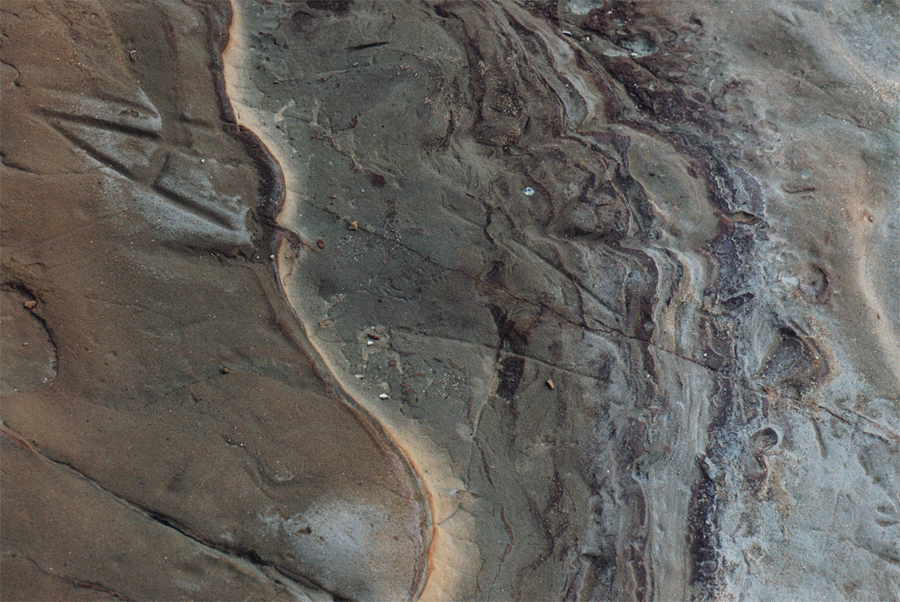
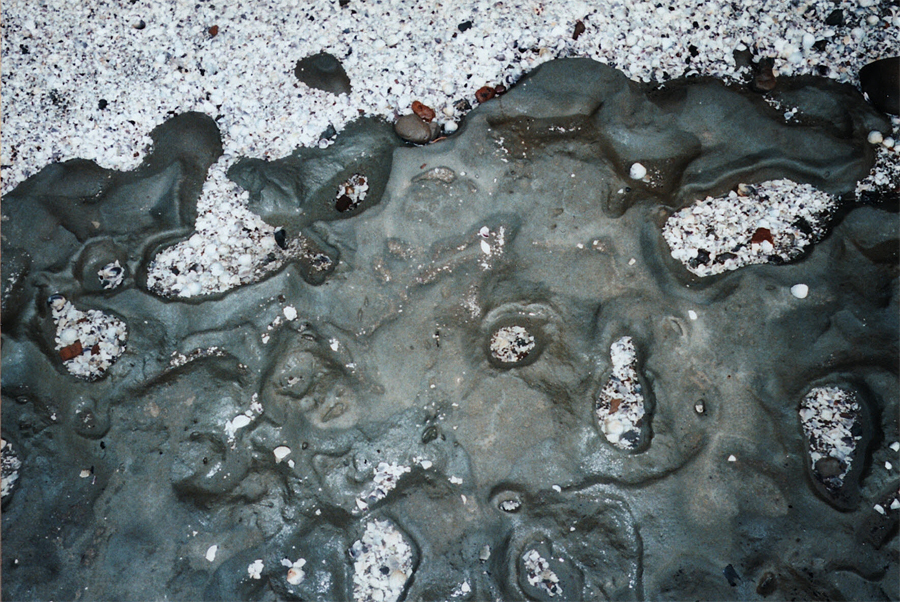
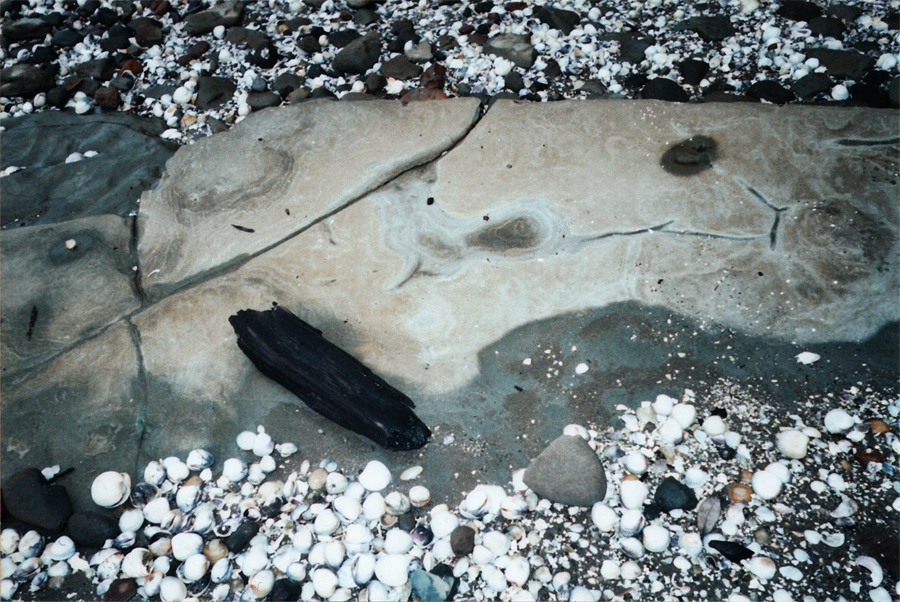
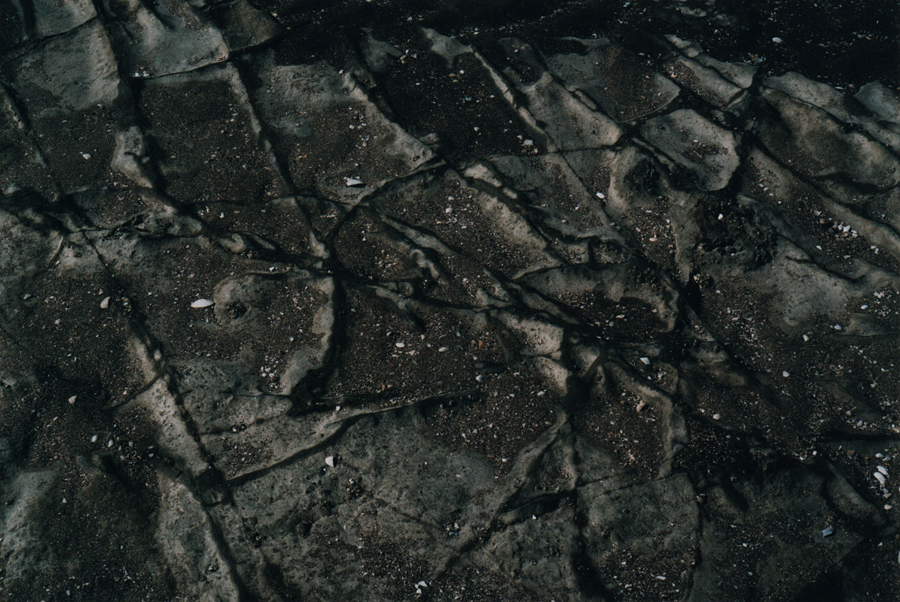
My analogue photographs of North Island tidal flats are printed on large pieces of canvas to create an immersive, dreamlike experience.
(*) Source:
The History of Romania in One Object: The Dacian Gold Bracelets. (2020) The Romanian Cultural Institute, USA, feat. historian Ernest Oberländer-Târnoveanu.
 Adina Ispas