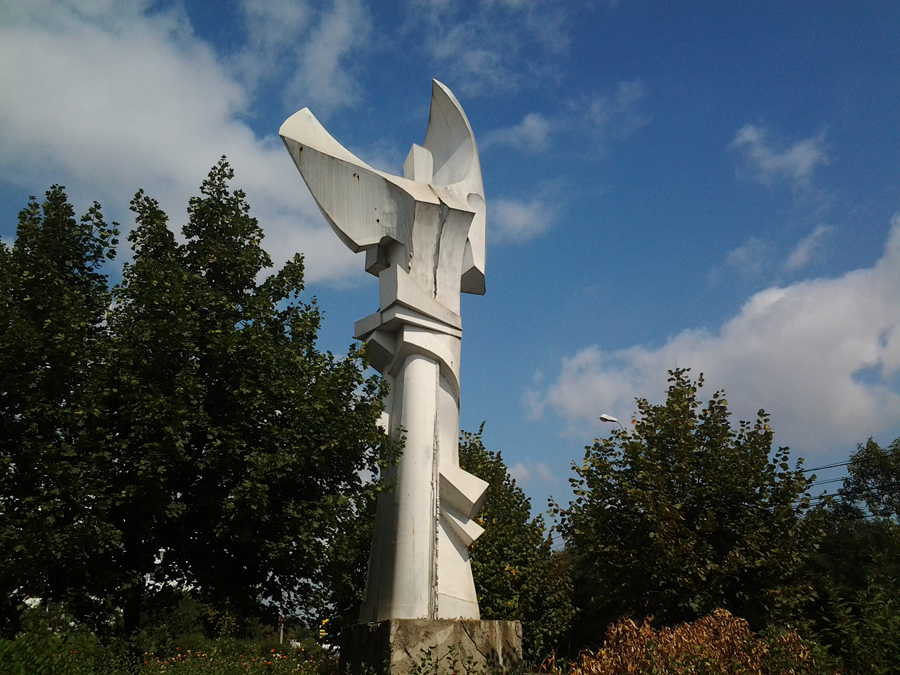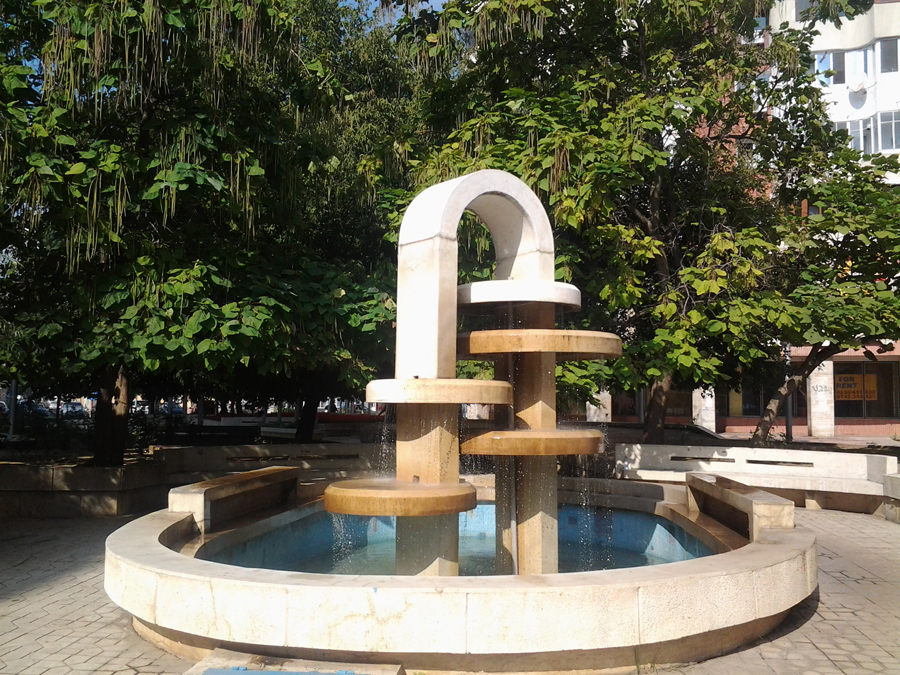
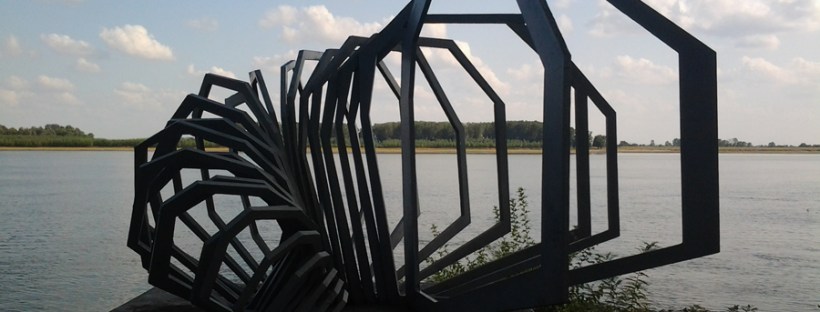
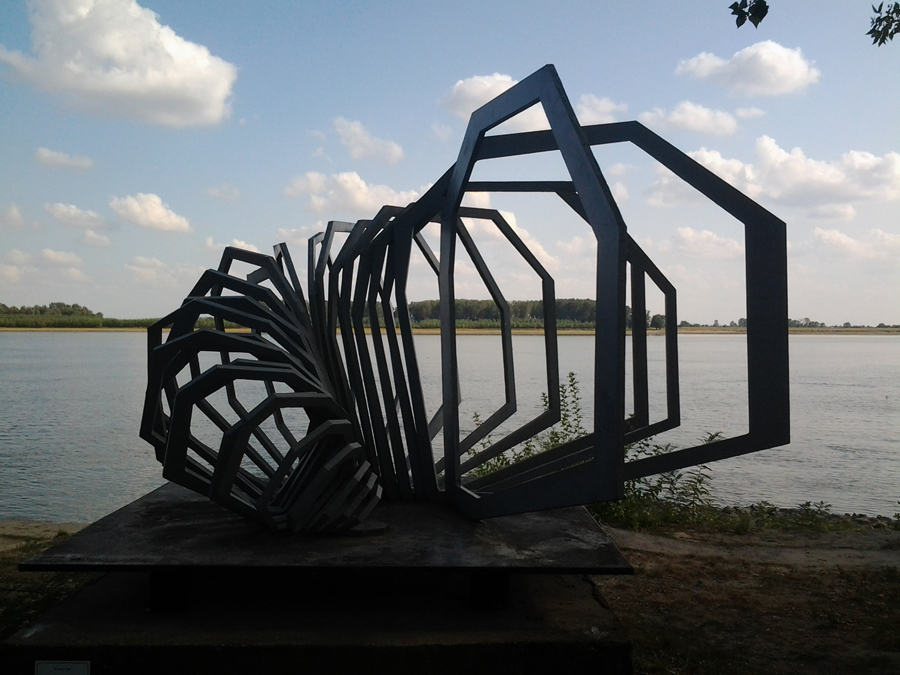
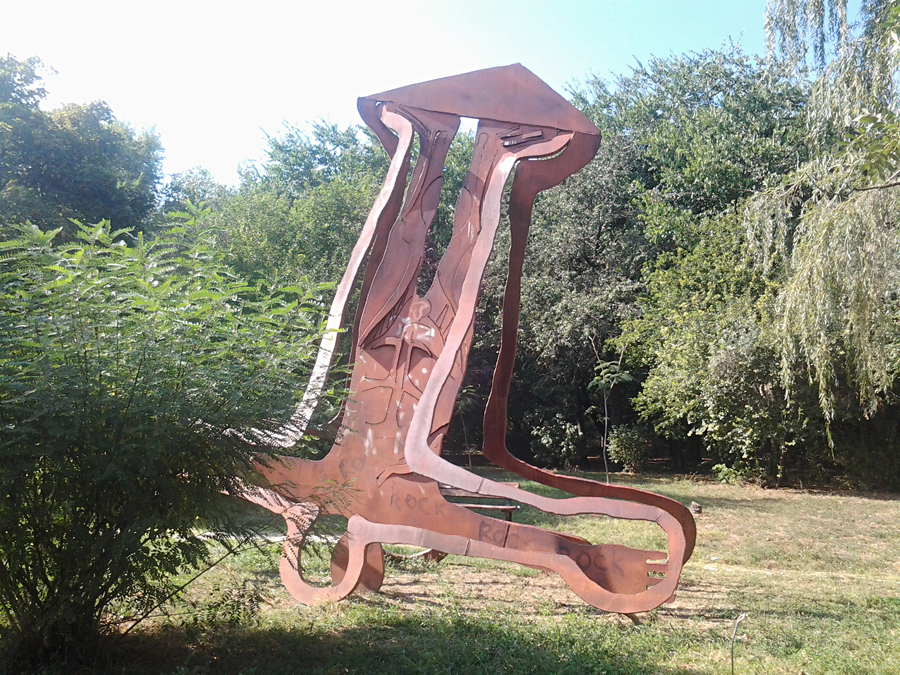
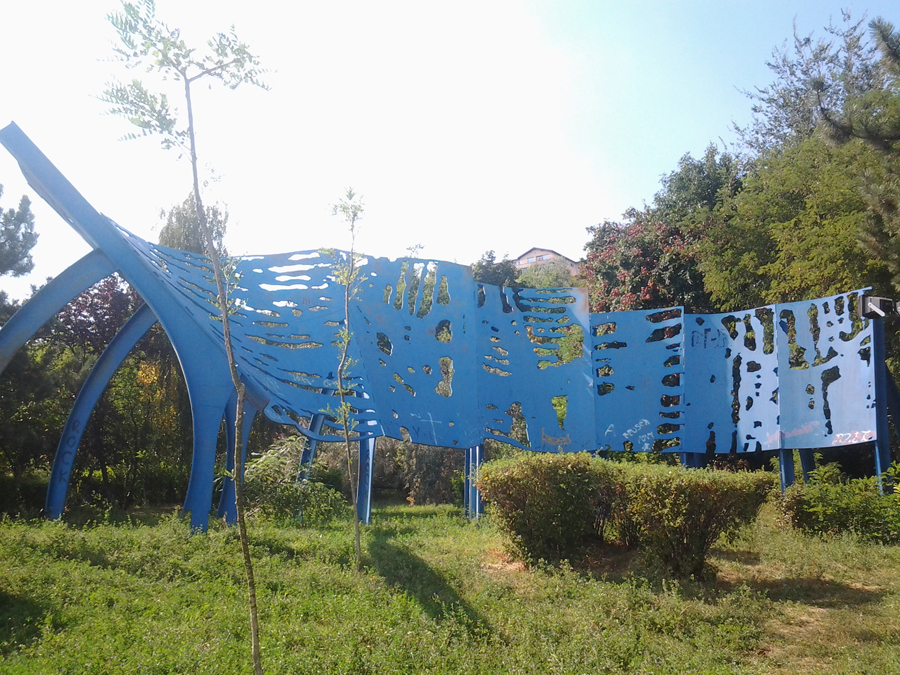
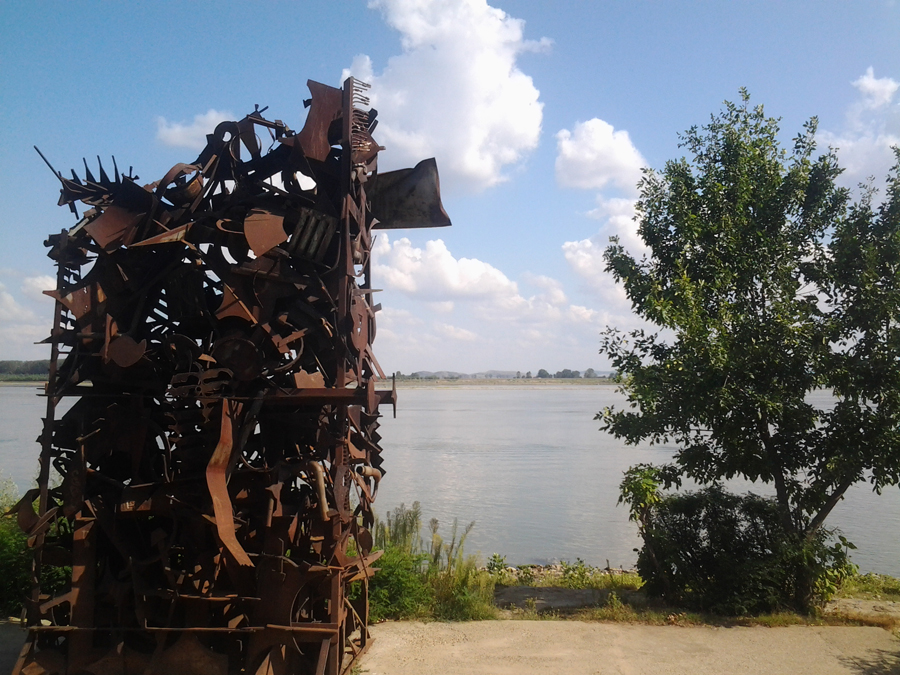
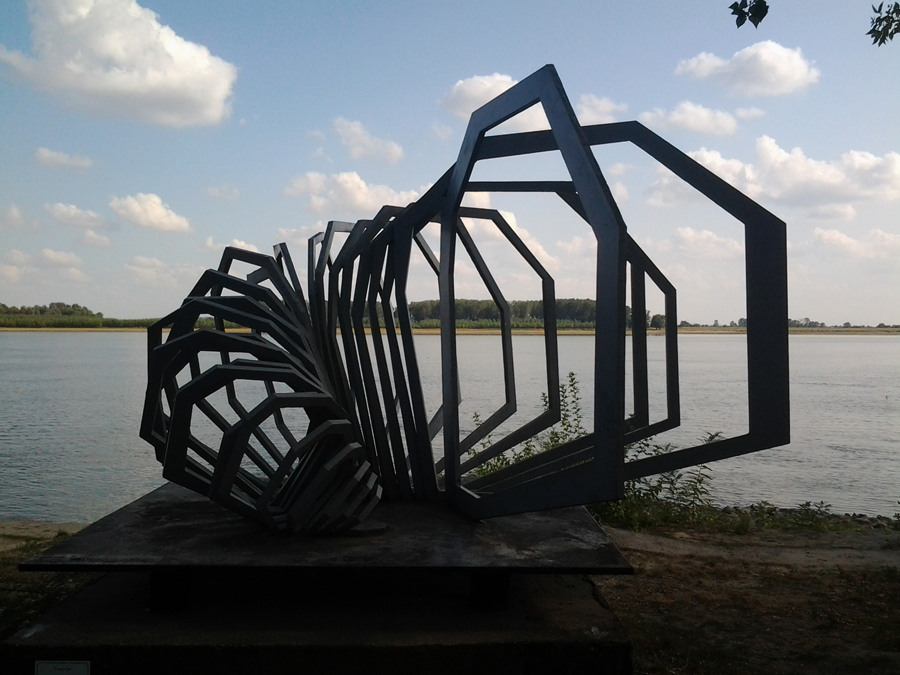
This view concludes my weekend break in Galaţi: a piece from 1976, aptly titled Evolution. It’s a stylish torus, one of the many permanent sculptures installed along the Danube Promenade.
When I first stumbled into Galaţi this past June with a buddy, we were dropped right into the dystopian Communist ghettos. Instead of fancy names, they opted for numbers – very avant-garde! And let me tell you, the locals have a whole roster of hilarious reasons why their city “sucks.” But after giving the place a second chance, I realised it’s not quite the horror show I expected: Galaţi boasts a quirky art scene, a botanical garden that’s practically a unicorn in Romania, and a fabulous promenade along the Danube (which, by the way, is where the ancient lands of Dobrogea begin across the river).
Evolution
The “evolution” part of my statement reflects what I’ve learned from my travels: it’s not new knowledge, but a new perspective. In Romania, the Ministry of Culture and the Ministry of Cults are the same entity, meaning to succeed in the art scene, you must promote patriarchal values. This also means the Church takes over old cultural sites and replaces trained guides with their own speakers of religious ideas. This made me close myself off from “the art scene” here, but I’m thankful that a couple of tutors in New Zealand helped me break out of my shell when I explained to them my inner conflict surrounding these issues.
Now I understand why Romanian students often referred to their former art teachers as if they were personal Muses inspiring the entirety of their output. While I appreciate those who genuinely provide youth with growth opportunities, within a patriarchal system this kind of institutional relationship can blur the lines and promote unhealthy power dynamics. I think artists should express their own unique perspectives, not follow traditions blindly… but let me start from the beginning, and look at the best discoveries I made in Galaţi:
The Art Gallery
The gallery displays modern works downstairs, while upstairs is the place for art belonging to the 19th century with its combo of portraits, still life and landscapes. Works by local artists are carefully selected to show the evolution of artists’ concerns over time. There is a very palpable revolution beginning with the 1960s in that respect — this, and many other aspects, could be easily grasped even by a minimally interested visitor. I felt instant relief as this particular gallery was doing such a great job in bringing back my sense of why art exists. I congratulated the staff on my way out for the amazing selection, and they explained that most of the staff are practising artists themselves, who are listed in the promotional materials. “It shows,” I stated repeatedly.
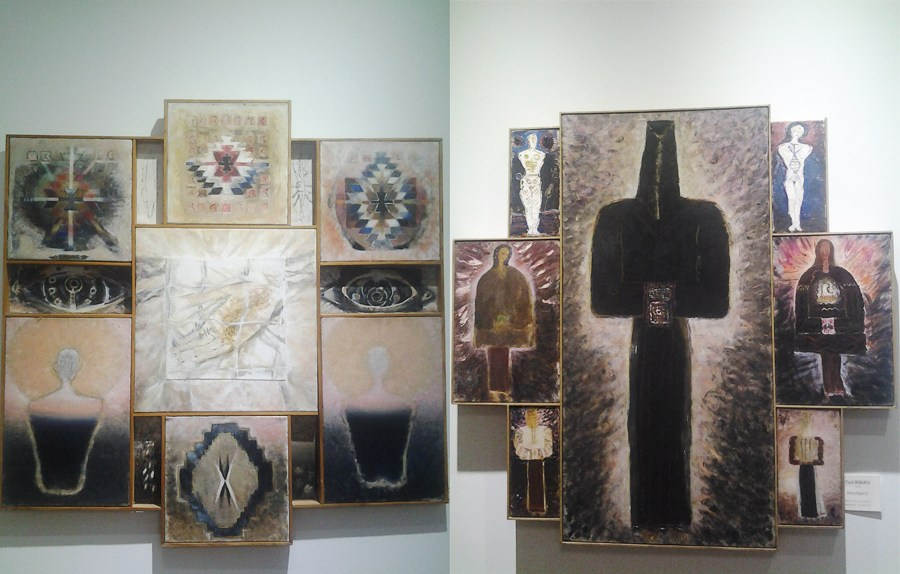
Întruchipări from Paula Ribariu (above) gives the tone for the modern section of the gallery. The word means something between “incarnations” and “imaginings” – so in that sense it would apply to all works on display. The geometrical patterns represent our ancient links to our ancestry, and for this reason one is nudged to look at the spiritual implications of making art. In Romanian, ‘întruchipare’ has the underscore of “a complete incarnation of an idea” – for artists this would represent their personal Muse, the Magnum Opus to whose incarnation they dedicate their life.
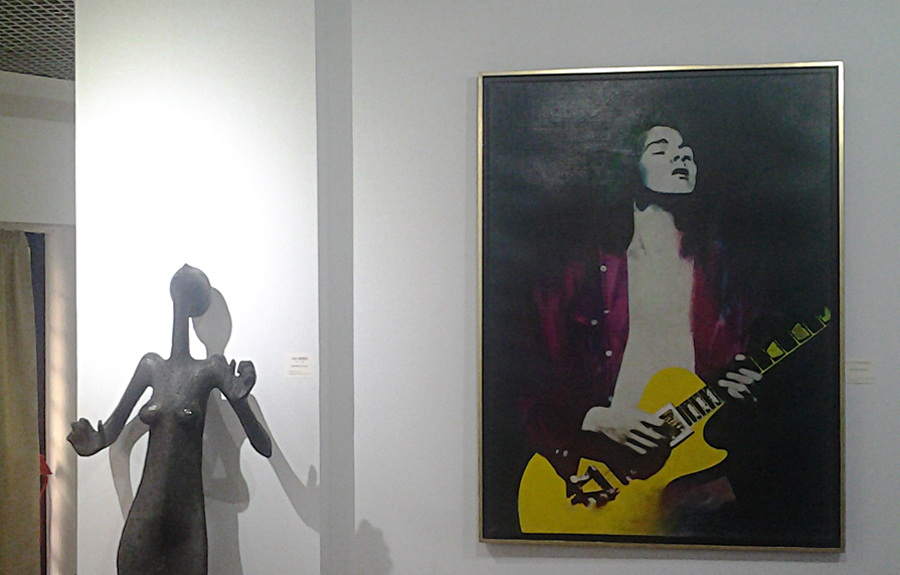
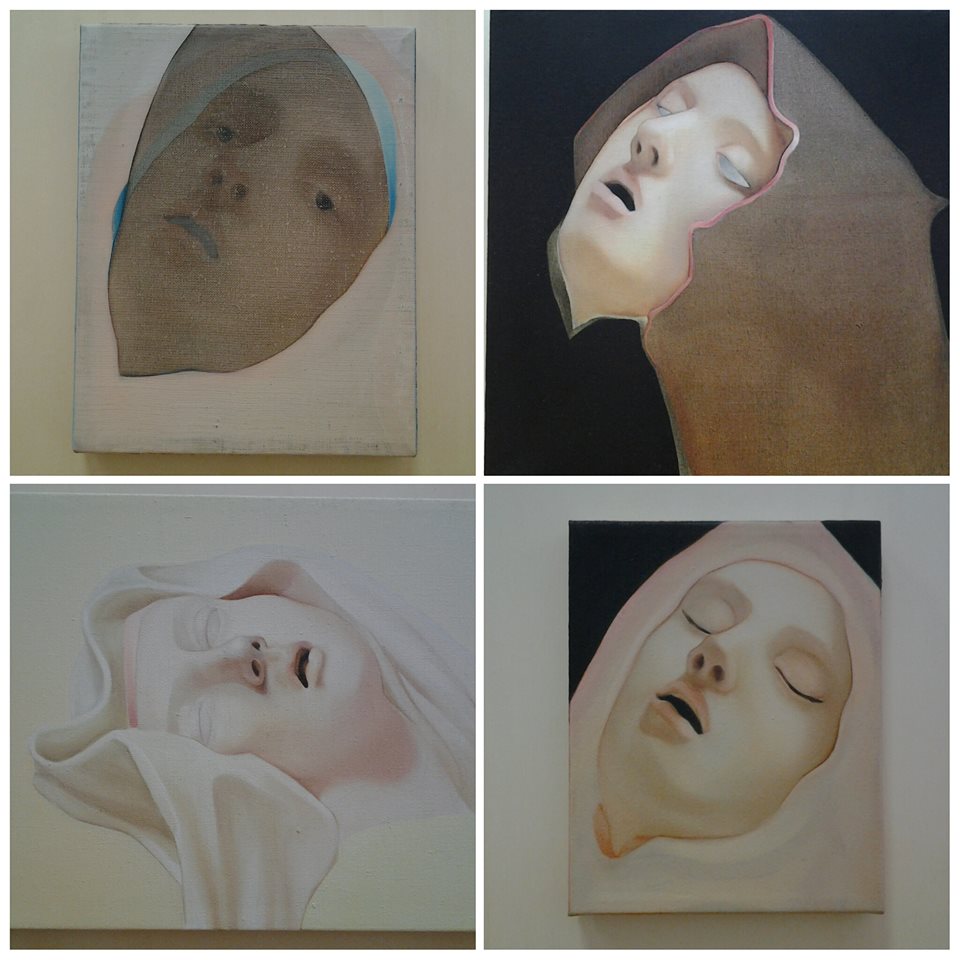
Looking at the guitarist’s ecstatic countenance whose soul had been thus captured as photographic-like evidence of itself, I was reminded of a similar portrait I had seen in Salzburg earlier this year: Vivian Greven’s painting of Bernini’s Ecstasy of Mother Theresa – Angelic lover, where art thou?
There was another work I found intriguing: by Valentin Popa, a metal engraving called The Last Transport: Take-Off (1971). It shows a group of people escaping from Earth in an airplane; between the airplane and the Earth (Sea) there is a ladder which is now broken in two, and the airplane’s tail section is the Tower of Babel. The drama of the separation (people falling through the cracks, scrambling to get to safety, reaching for their loved ones or accepting their fate to remain Earth-bound) is very unusual in Romanian art because it doesn’t seem underscored by a religious cautionary tale… it just looks like the complex mess that catastrophic events can cause. Such events remain branded in collective memory, which makes these individual artworks all the more fascinating for initially seeming like the artist has “invented” everything, like a fantasy world. Most notably the Tower appears here as a crucial part of the vessel lifting people up and away from the disaster, rather than having caused it.
The Sensory Garden
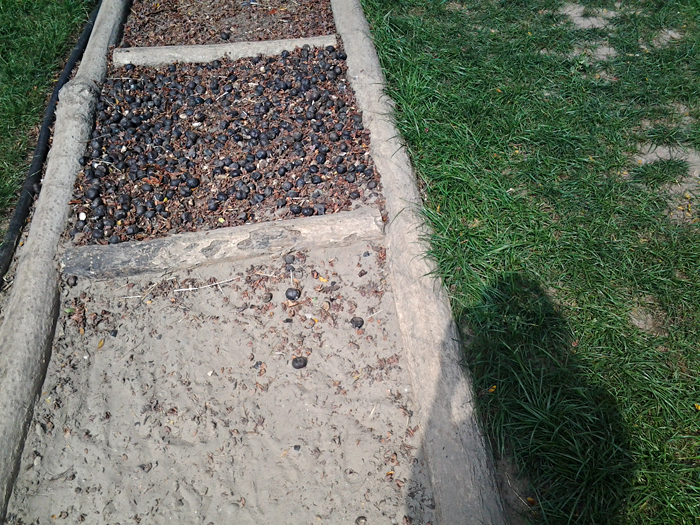
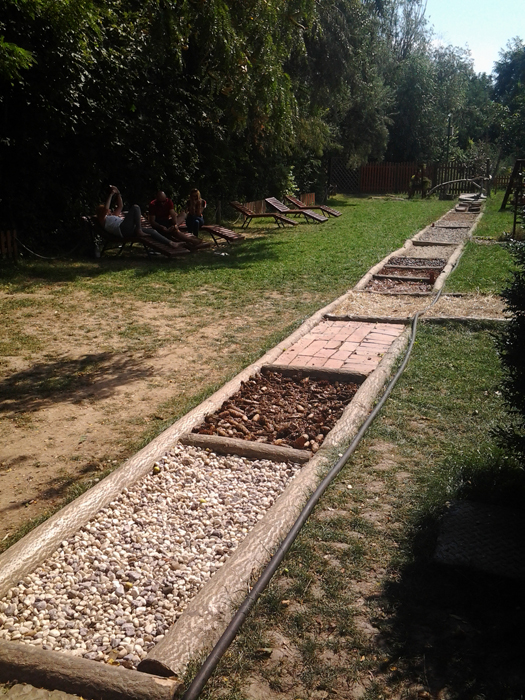
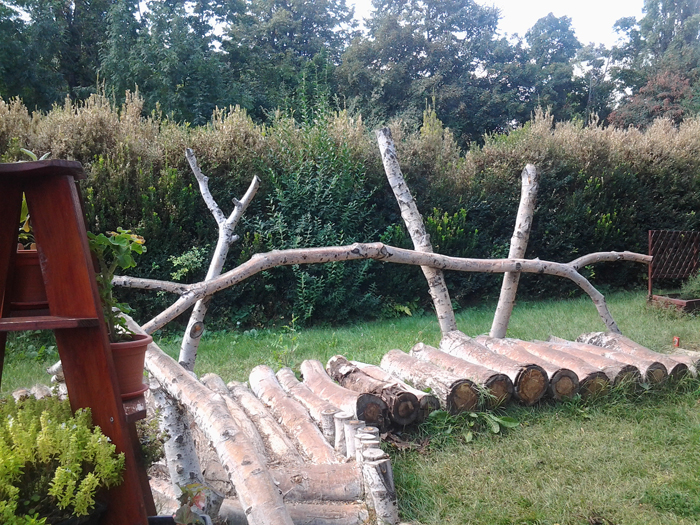
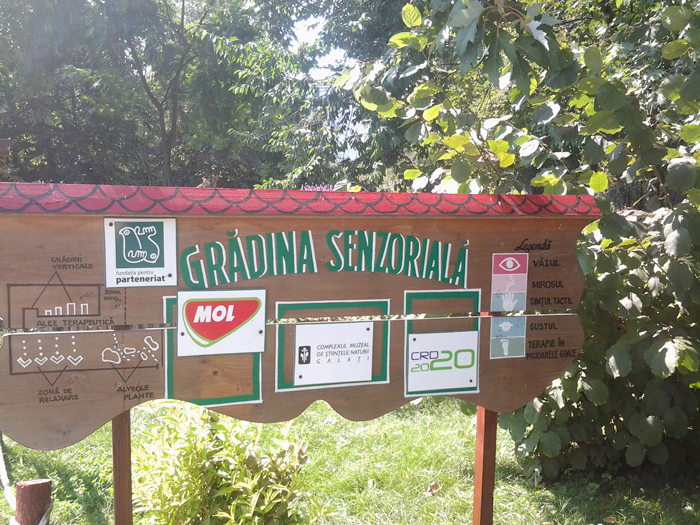
The Botanical Garden in the Science Complex of Galaţi is a pioneer in Romania with its special sensory garden (hearing, smell, taste, touch) including an acupressure path for the public’s enjoyment. The first acupressure path I ever saw was in Japan: a mix of pebbles, stones and wood beams arranged around a floral clock by the beach. This time, however, I was much more focused on the present moment, so I’m happy to say that unlike back then, the acupressure worked. Even though it was mid-afternoon on a very hot day, my rate of dehydration slowed down, overall leaving me very relaxed and balanced, endorphins flooding my system from head to toe.
The Danube Promenade
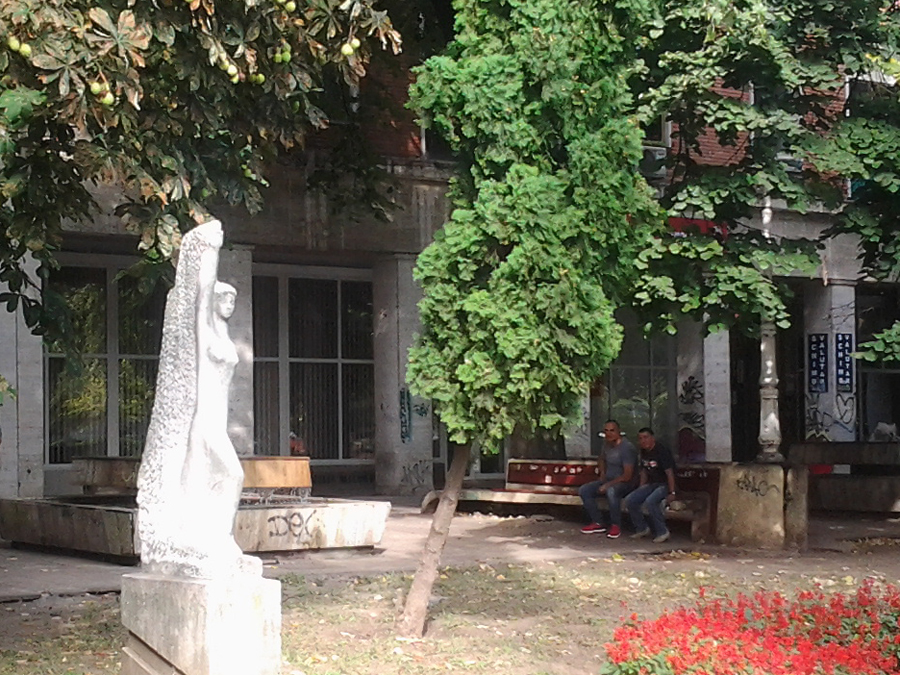
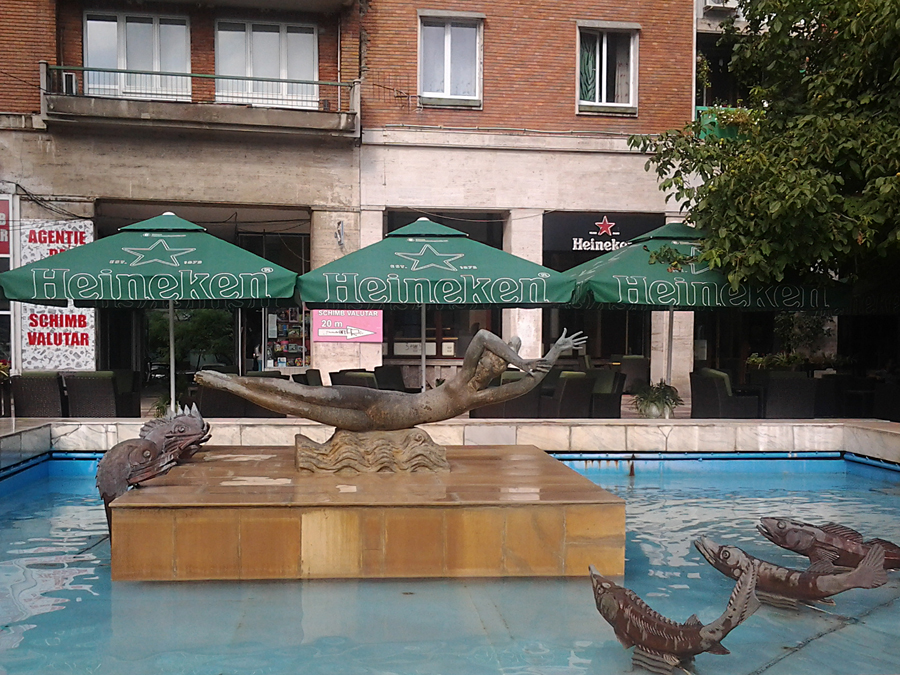
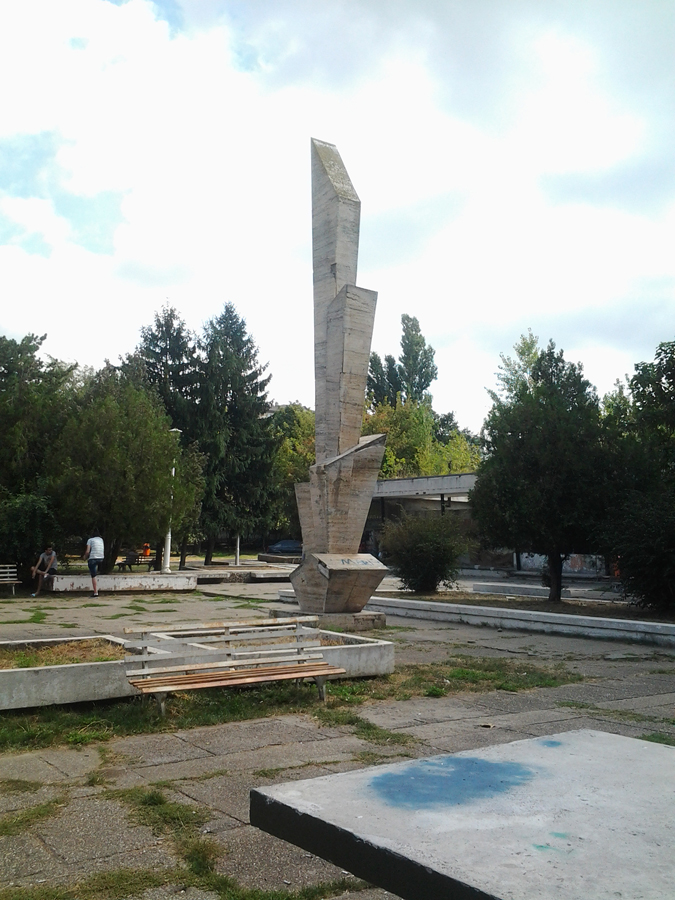
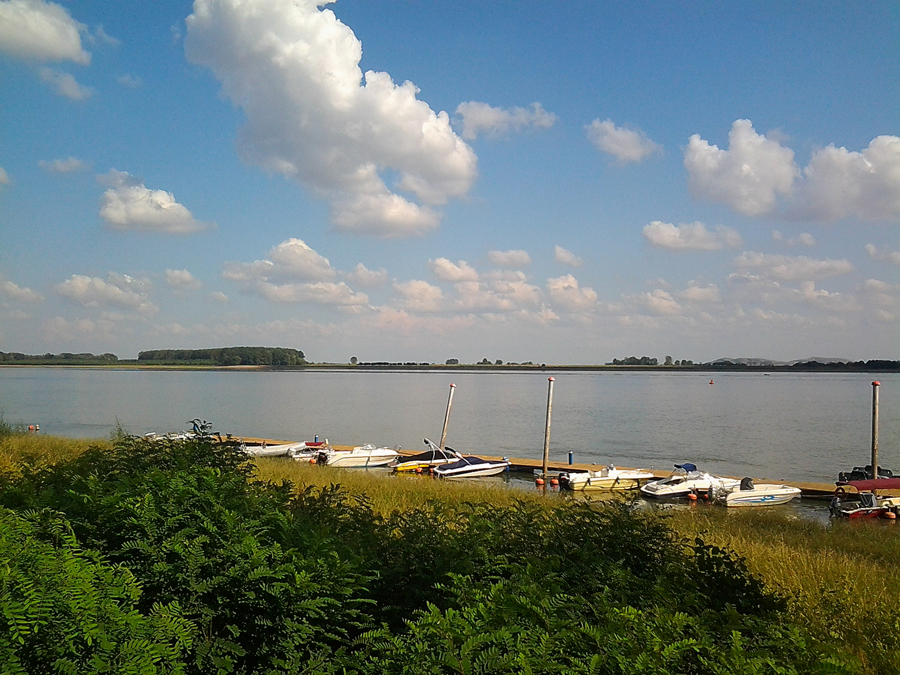
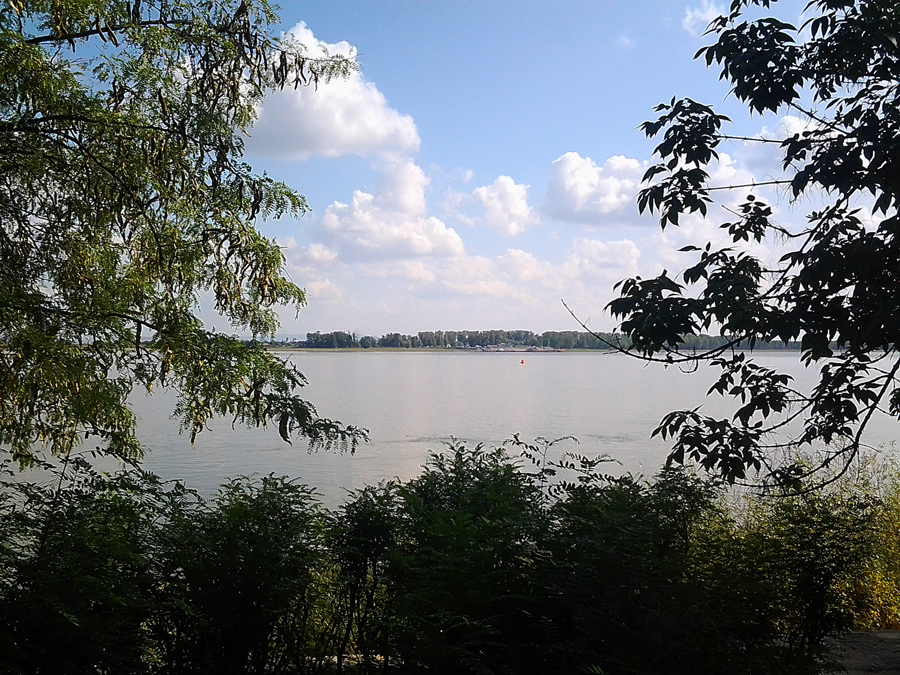
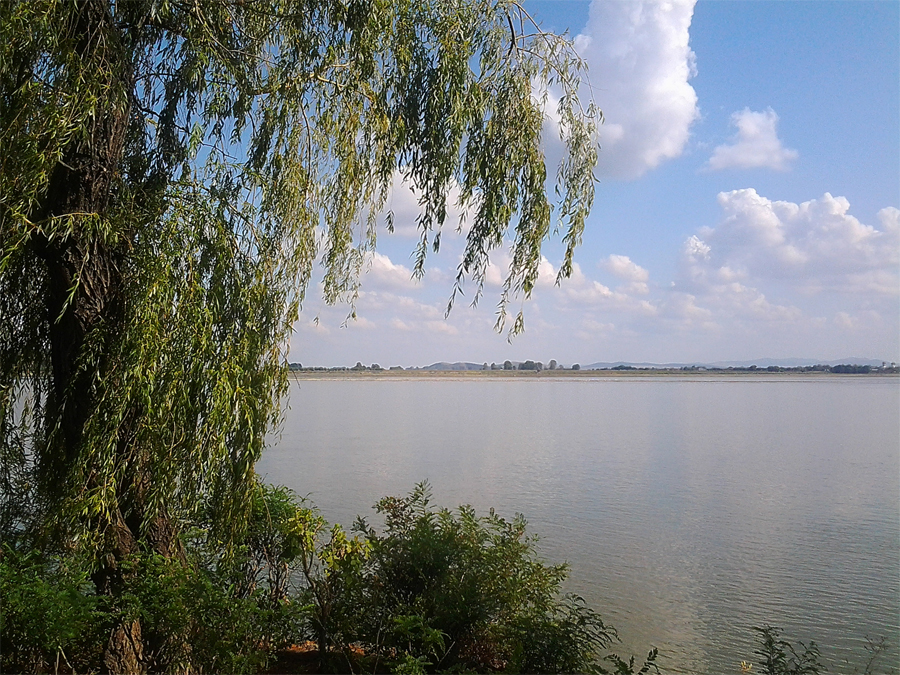
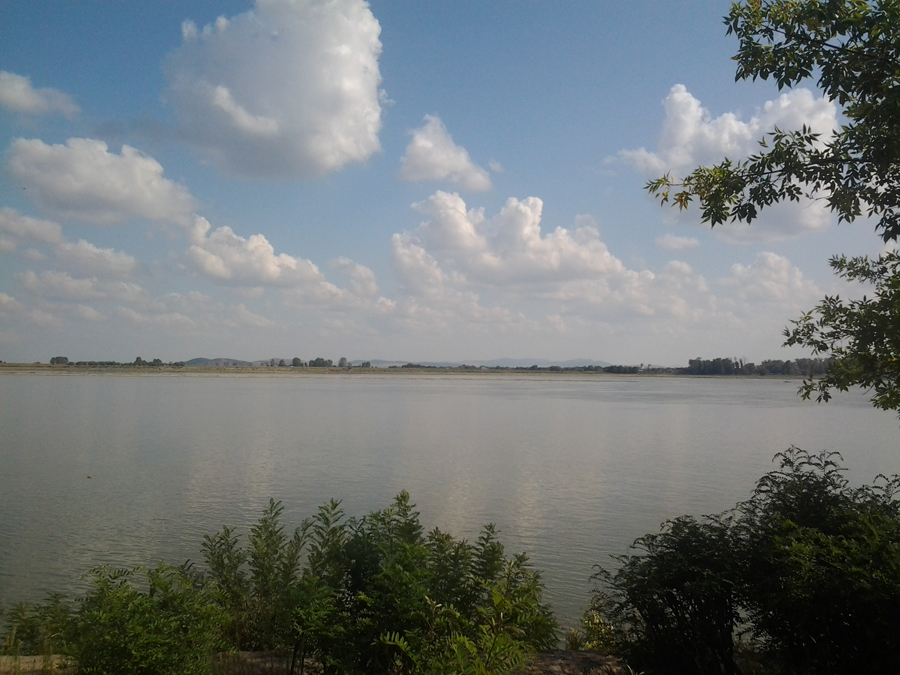
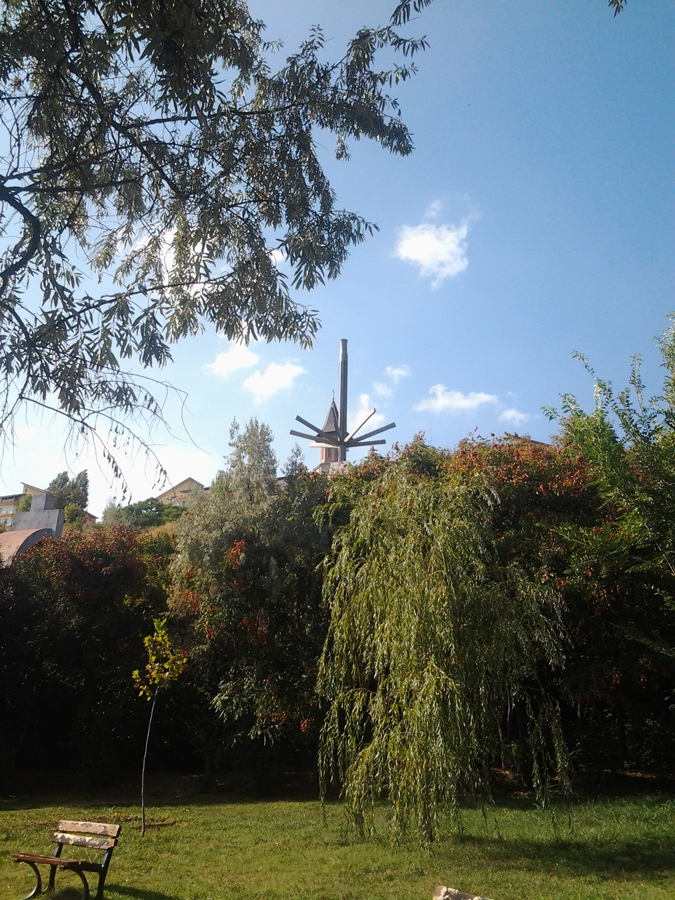
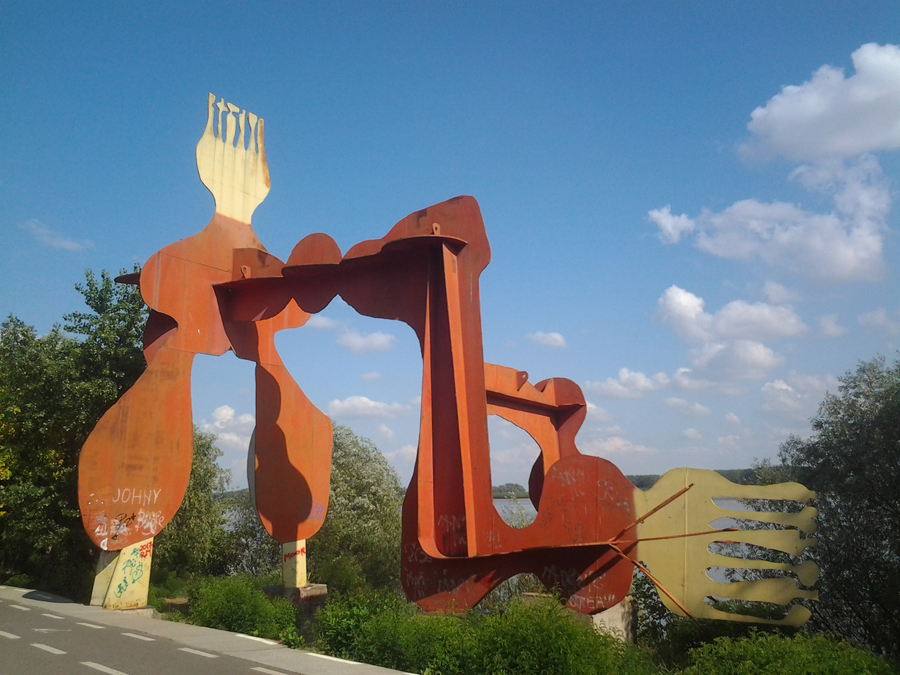
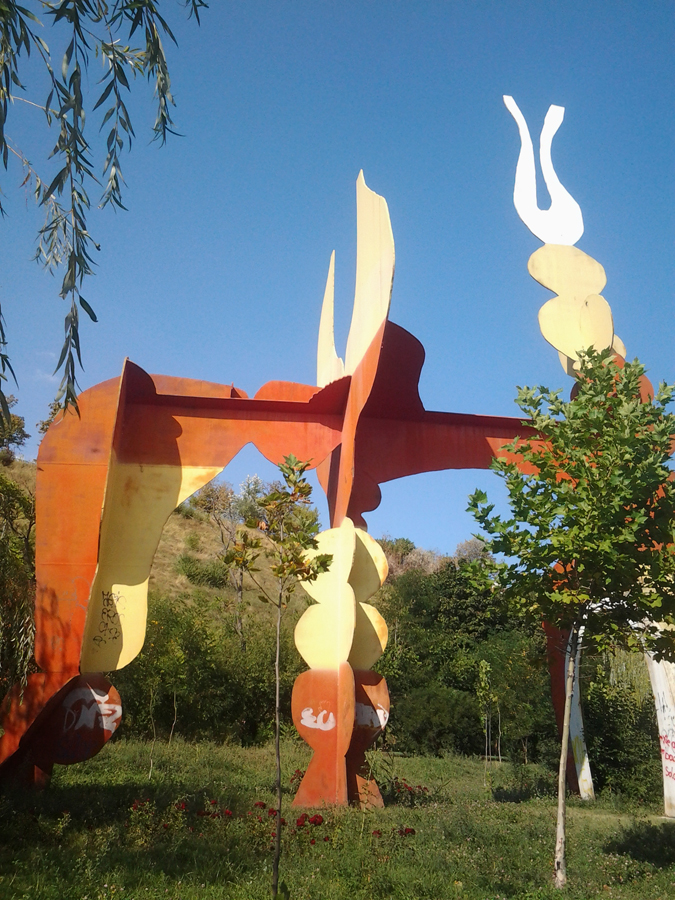
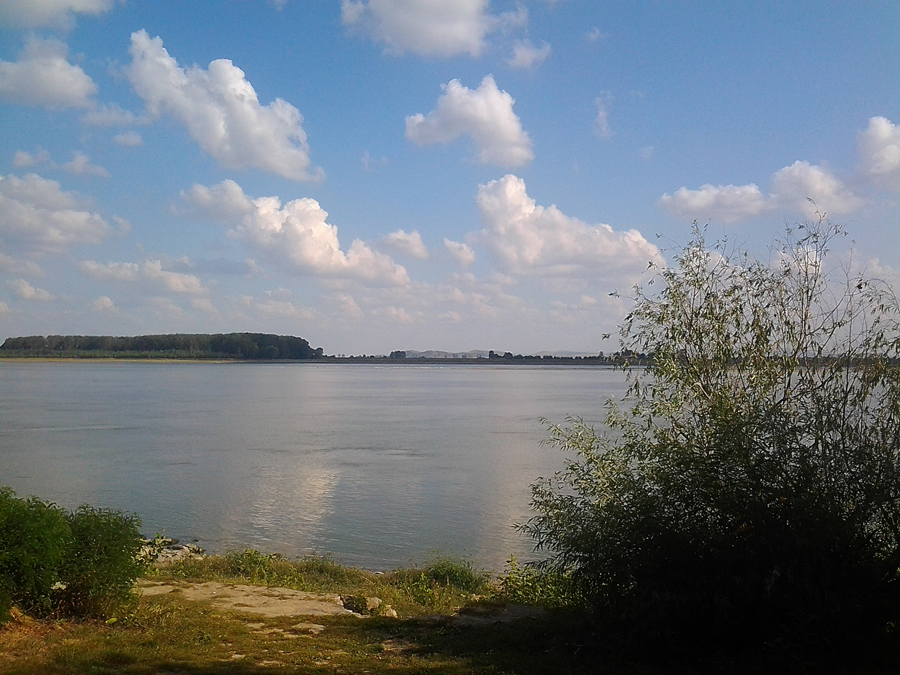
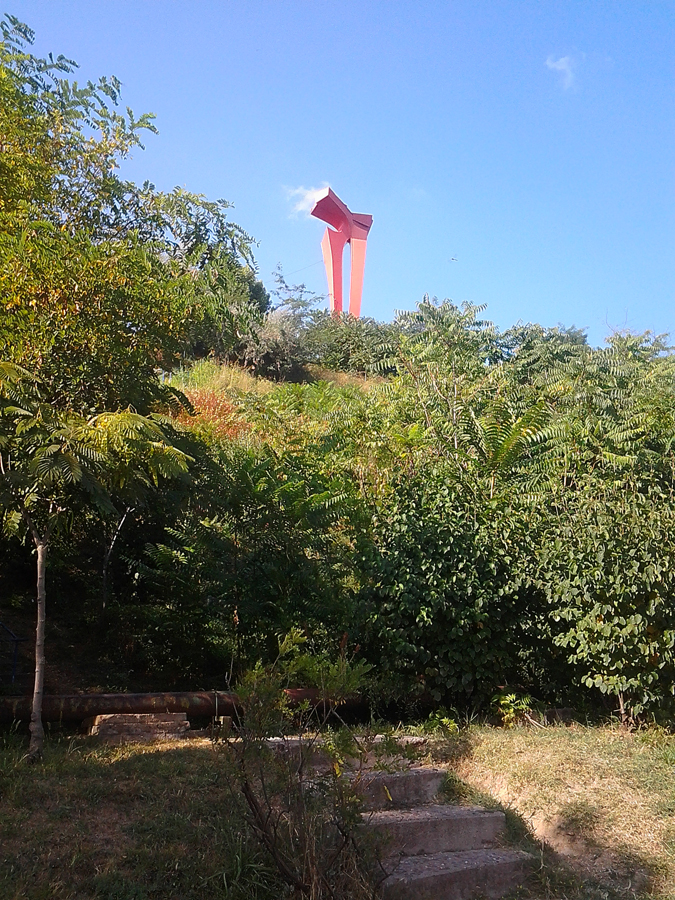
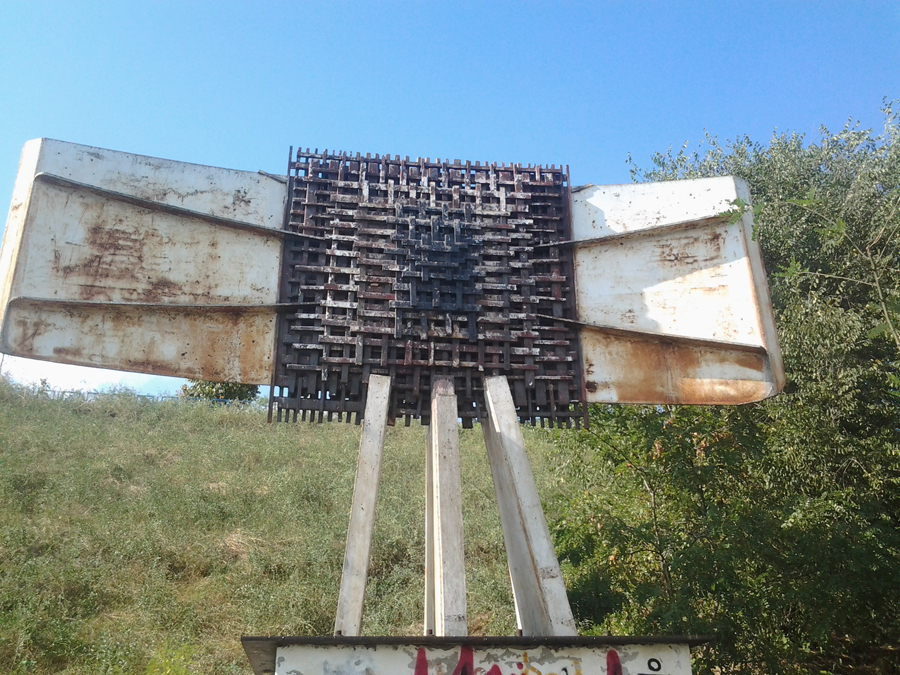
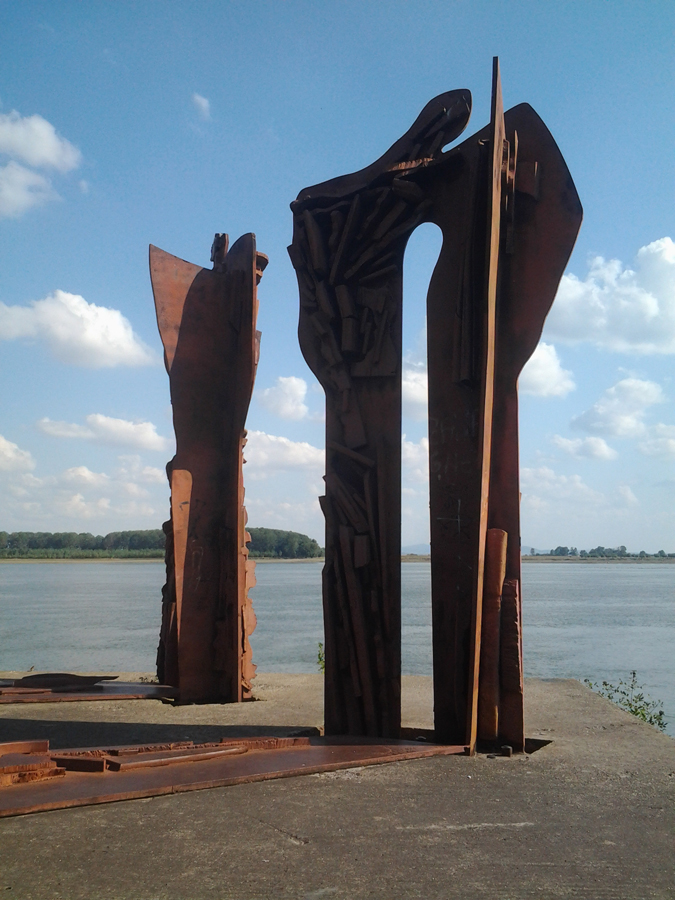
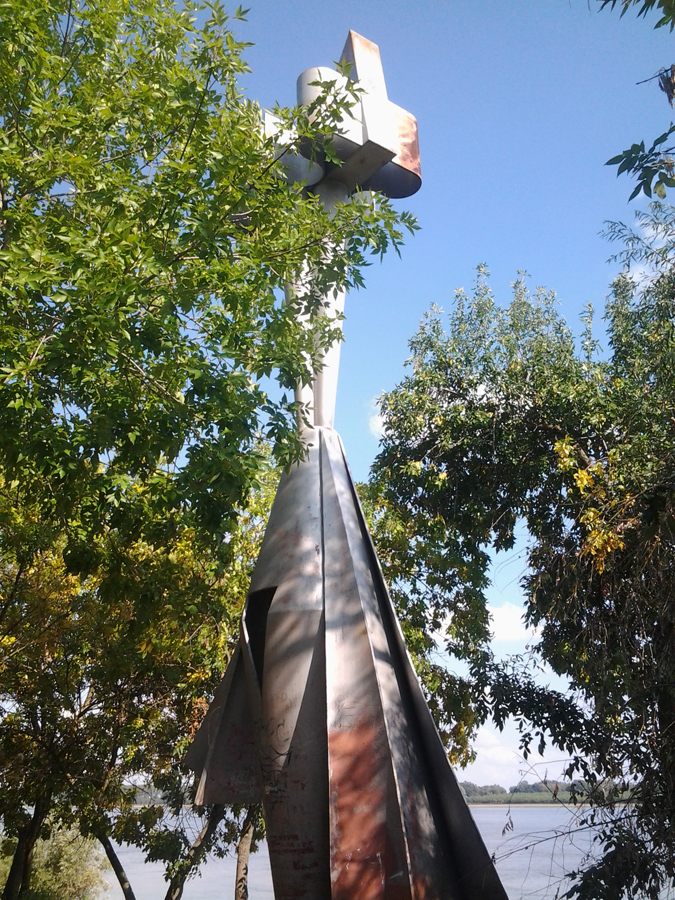
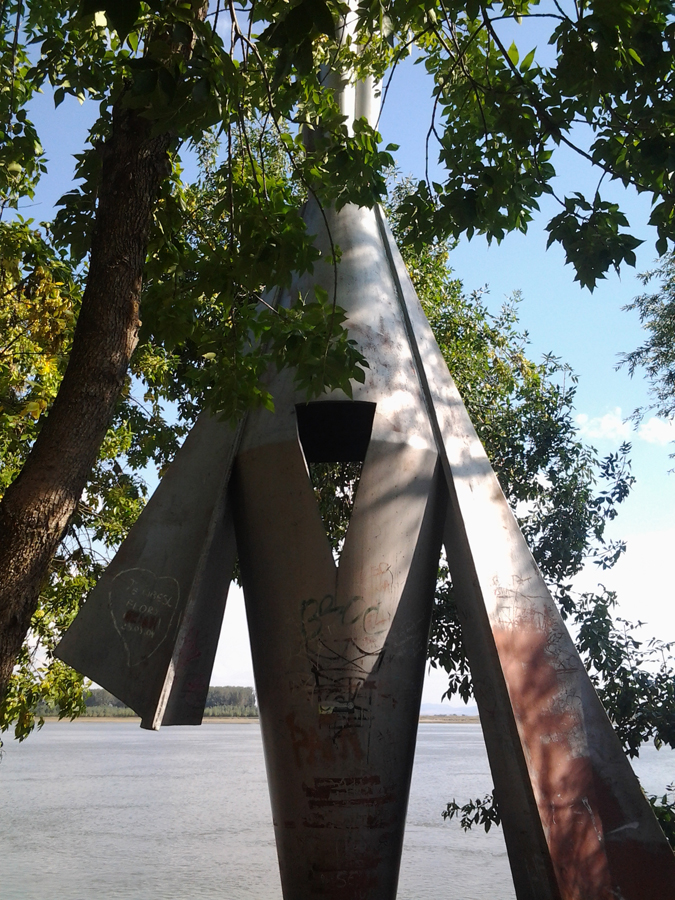
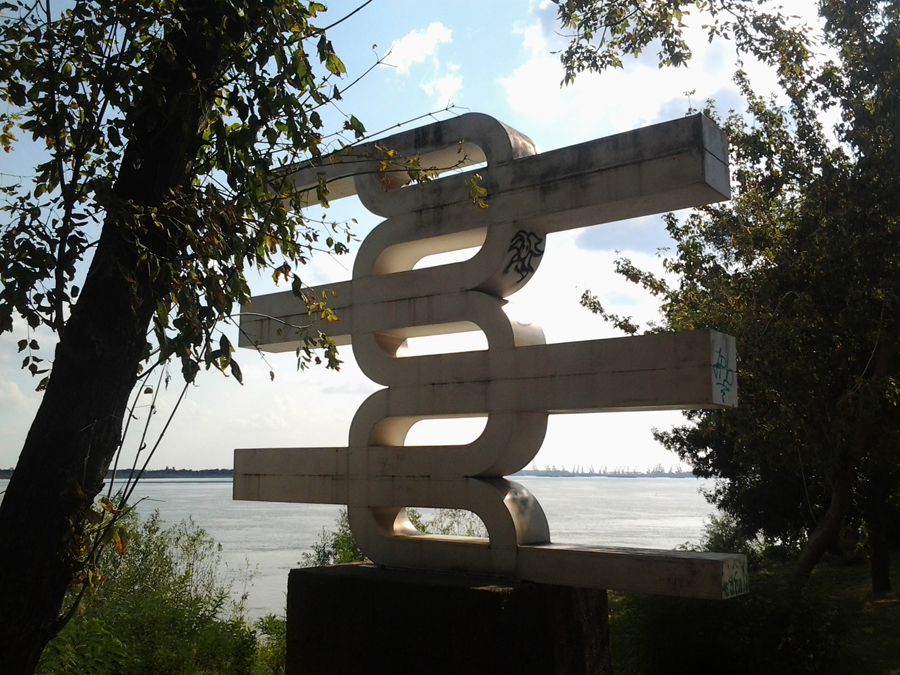
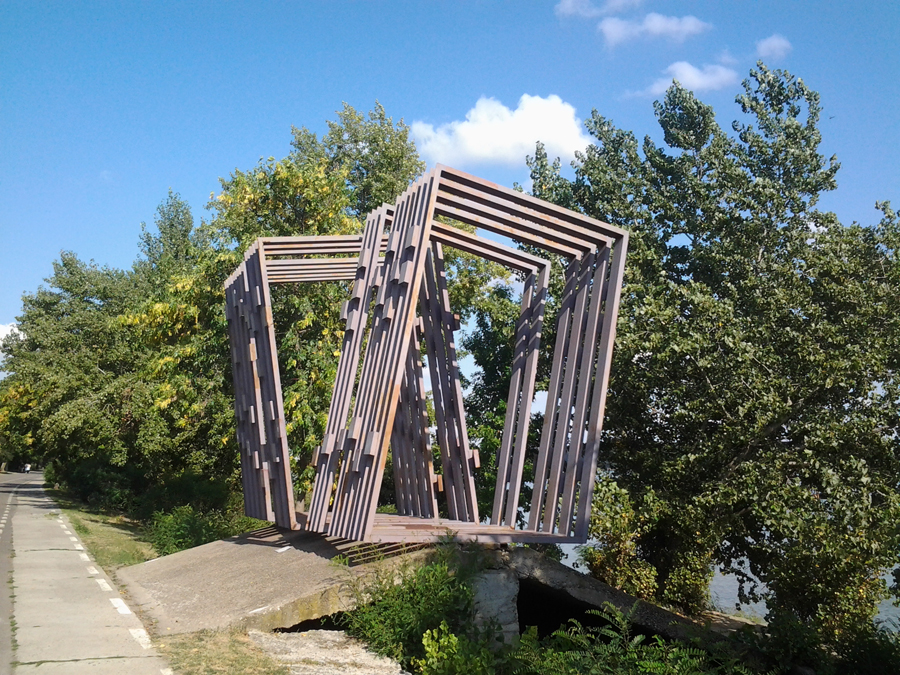
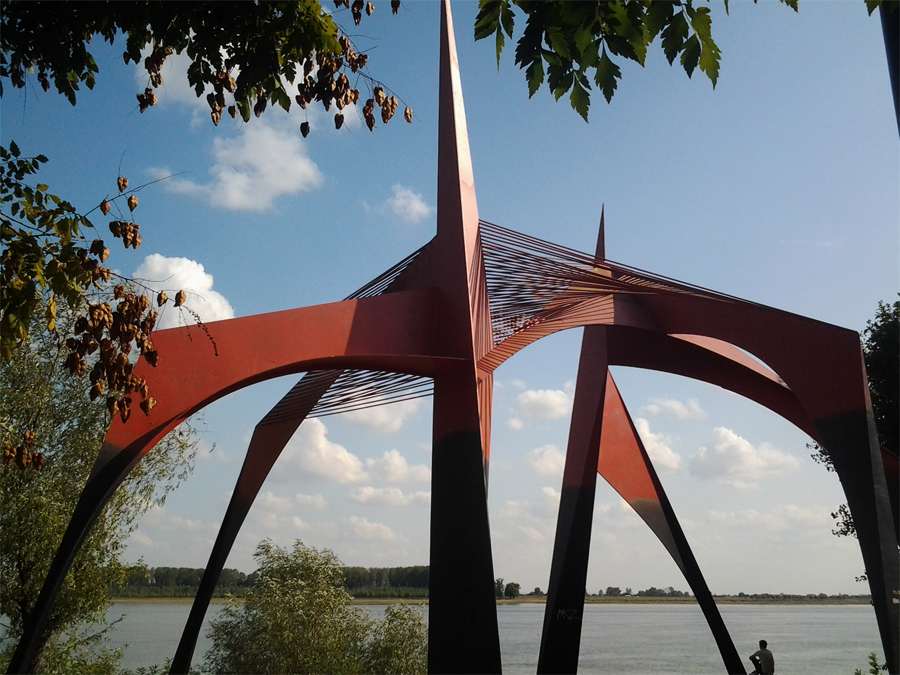
There was this political satire show years ago, featuring a segment called The Monument of Unknown Meaning: think two guys pretending to be a misunderstood artist (or an eccentric critic who happened to specialise in this type of art) and a befuddled reporter interviewing him, both trying to decipher what on earth the original artist meant with each bizarre monument they picked for the episode. The script was packed with enough nonsensical jargon and lots of “paradigms” that would make even seasoned art critics scratch their heads in confusion, and it was all played for laughs. Honestly, they would have had a blast here! The selection below stirred up some controversy back in the day, but I totally dug this place. It gives off a whimsical vibe of a positive post-apocalyptic world. And wait, are those ancient burial mounds lurking on the other side of the river? I’m still on the quest to figure that one out!
Assorted Treasures
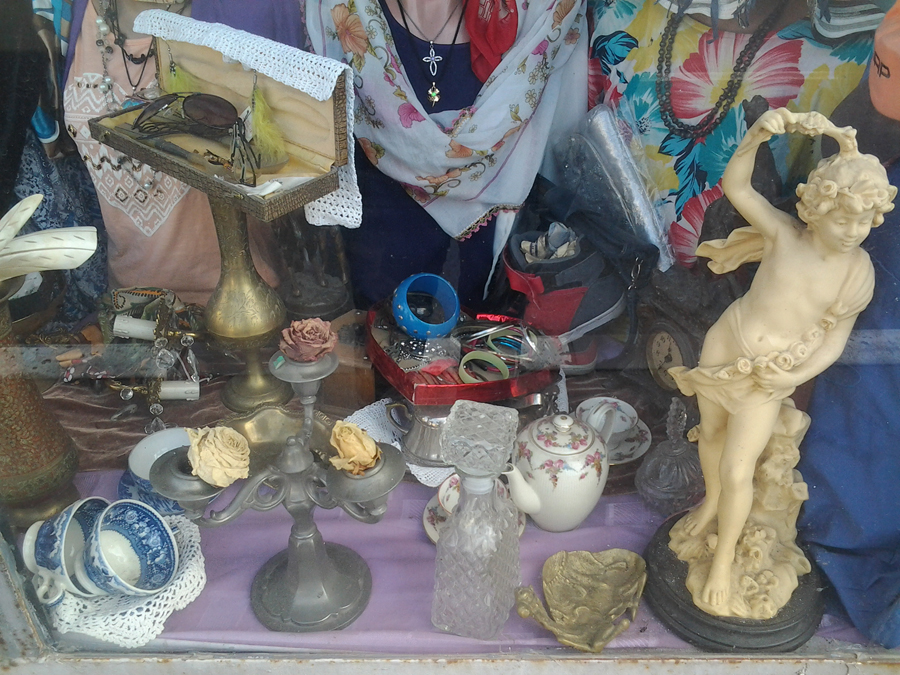
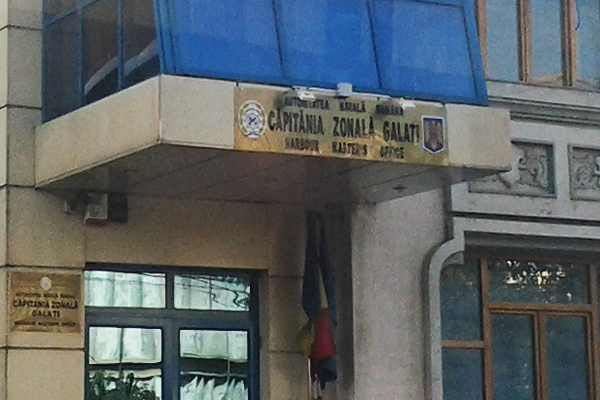
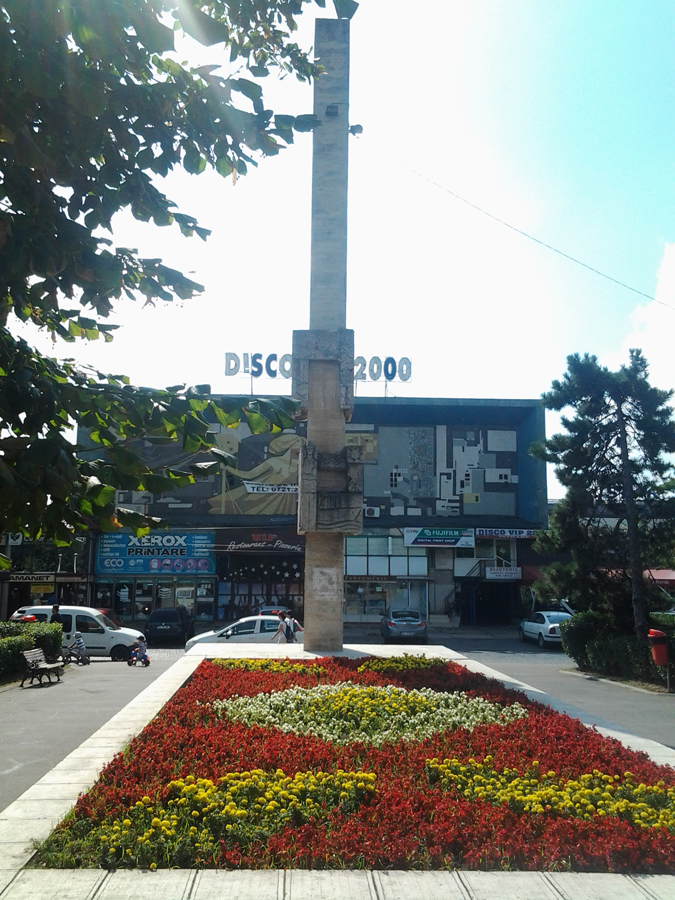
Approaching my travels with a touch of Jungian inspiration (concepts cherished long before by Native Americans), I connect my personal myths with shared dreams through many exciting serendipities. Is the Angel at the ferry-crossing on the lookout for a brave human to inspire? And how cheeky is it that “Disco 2000” is photobombing the monument to the upright Earth Axis? There’s a certain humour only locals will get in “Harbour Master’s Office,” while appreciating the playful storytelling found in antique shop windows, where random objects come together to narrate tales greater than the sum of their parts, completes the journey most appropriately.