Olen taevane vägi siin maises kehas
olen raudse kindluse torn
Lasen koormal kukkuda õlgadelt maha
lasen mõistuse muredest priiks
teenin tõde kuhu tee ka ei viiks
(Tane Mahuta)
You may have heard me talk about the Romanian Community Garden Network lately – well, that is going to keep happening, because this past year I’ve found so many opportunities through being in contact with like-minded people who are part of the Network. I really feel I’m in the perfect flow when I participate in activities organised under its banner, because it all contributes to caring for the Earth in one way or another, which helps me get over my fear of not doing enough whenever I’m engaged in something that’s already a lot.
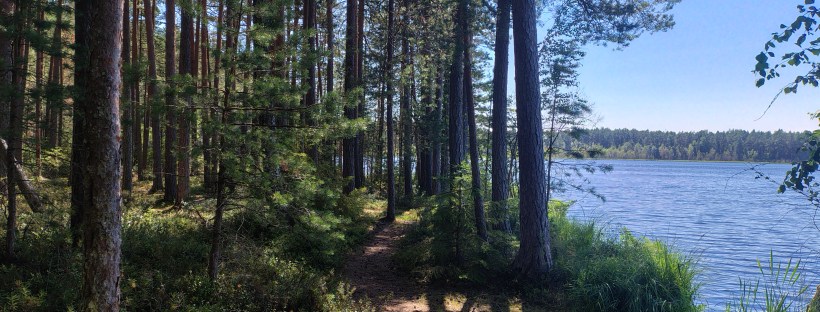
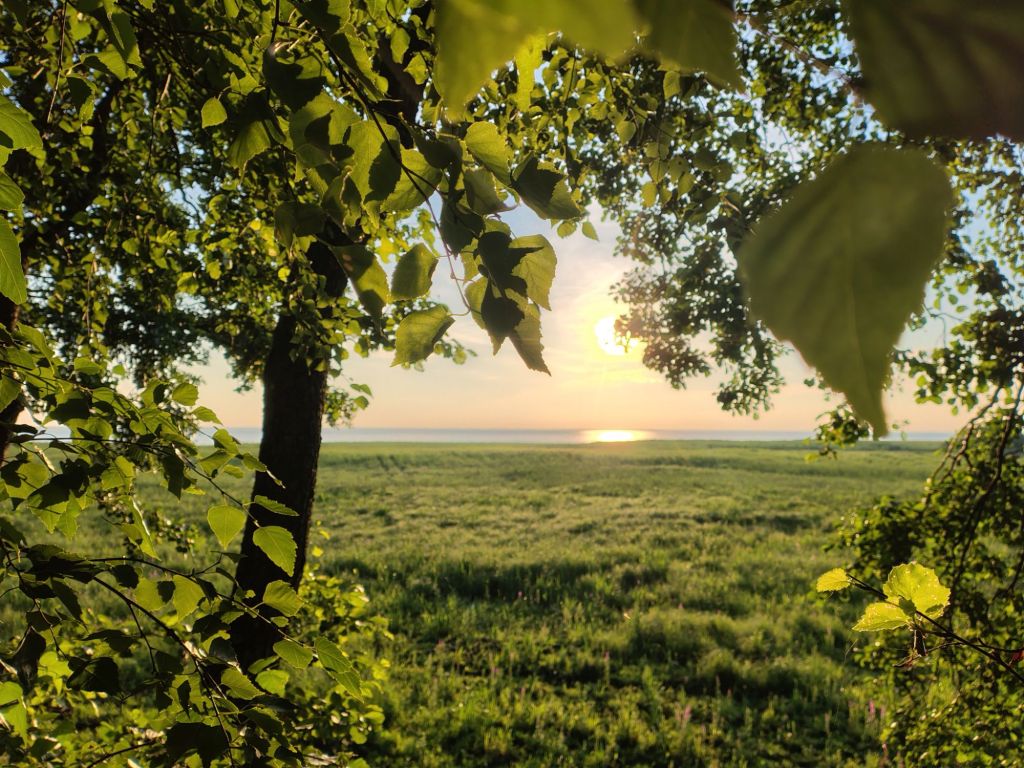
One such opportunity was going on my first ever Erasmus Plus programme. – learn more about Soulscaping here. Now in its second cycle (2021-2027), Erasmus Plus combines the EU’s different schemes for international mobility in education. I kept hearing about it from students I hosted through Couchsurfing, but had never participated myself. The location was near Tartu, Estonia, on a beautiful lakeside property with access to the beach, sprawling pine and birch forests, and 10:30 PM sunsets.
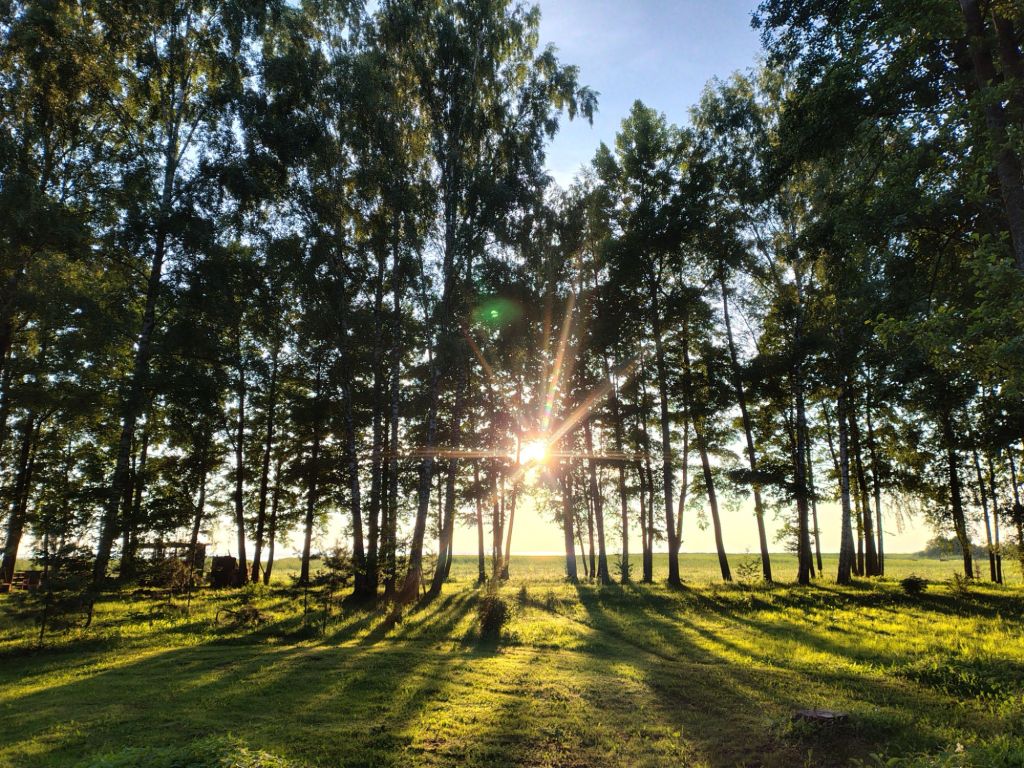
It was just what I needed, to get away for a while. Being an environmental activist takes a serious toll, and it’s imperative we nurture ourselves if we want to survive, let alone make an impact. The conclusion that I reached thanks to this programme – which is constructed around Joseph Campbell’s Hero’s Journey – is that the best way of changing the world is to live in it openly, the way you would want to. Otherwise the constant sacrifices amount to absolutely nothing, they are still an inherent imbalance you create for yourself and the communities you reside in, trying to get others to treat the world differently but essentially wishing to direct things yourself as a kind of master puppeteer.
By the time I was selected to go at the last minute, I had experienced a very vivid dream showing me the accommodation, our respective rooms, the art activities we were going to do, artworks on the wall in a big room with a hallway to the right, and I also saw other participants drawing maps rich in symbolism to go with these artworks. So needless to say, when I received the phone call from one of the programme leaders that the person before me had dropped out, I already “knew” I would be going.
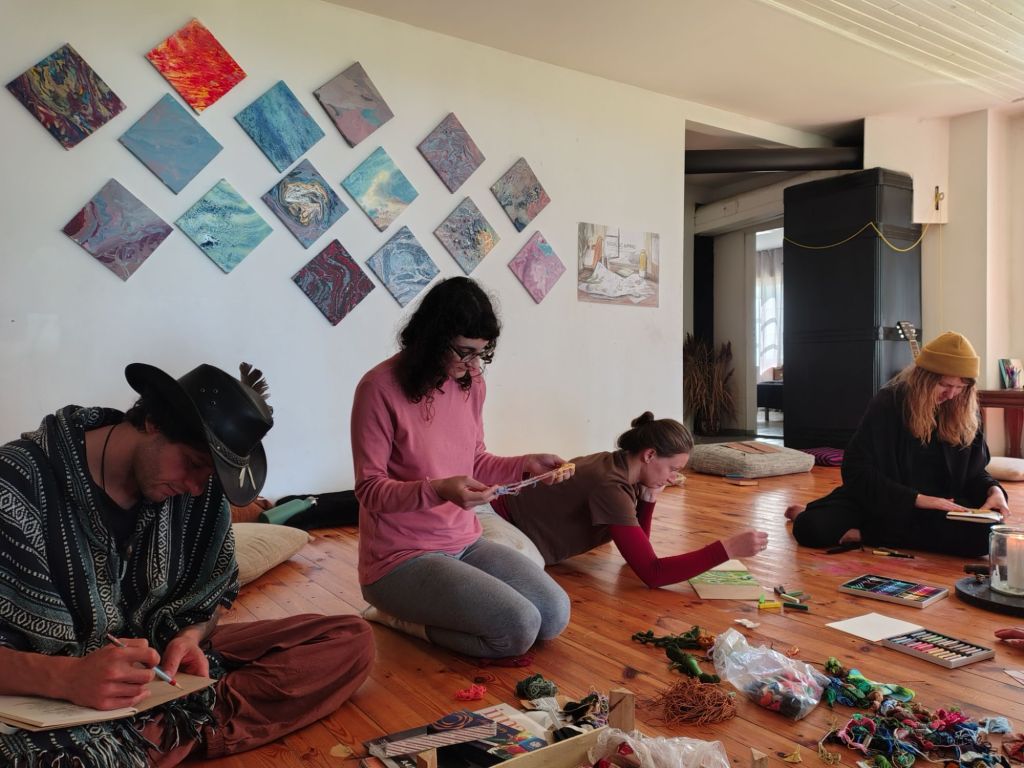
But I also remember the dream was warning me about some uncomfortable feelings that might get stirred up by the experience – and it was spot on as well. I don’t know how the mind knows these things in ways that defy the normal time-space continuum.
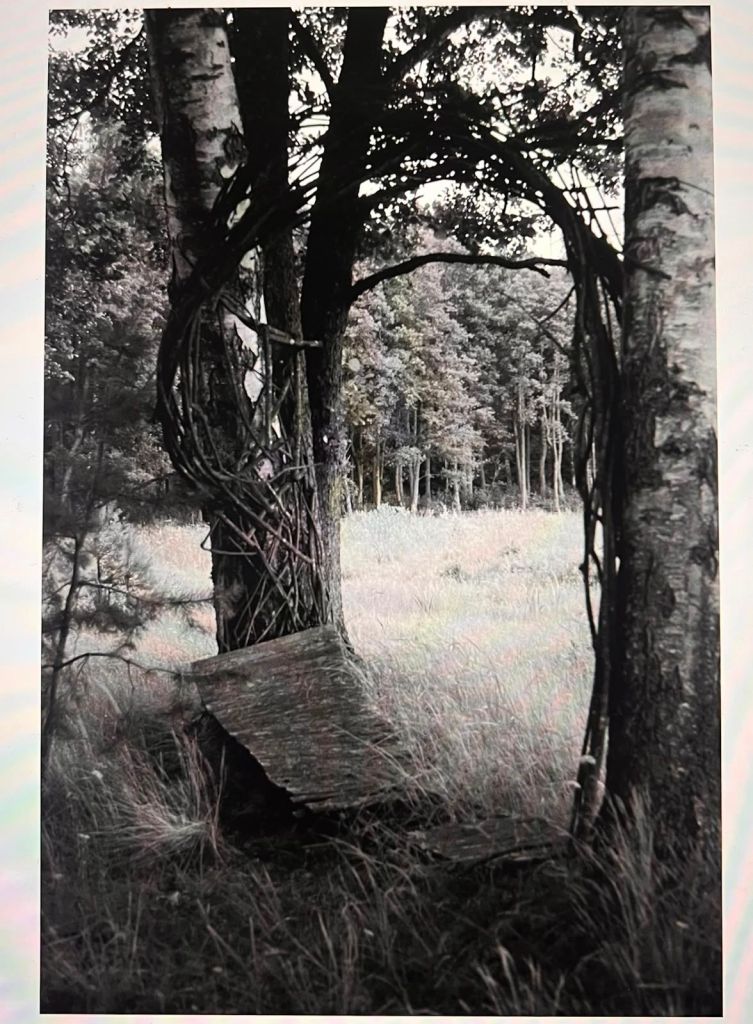
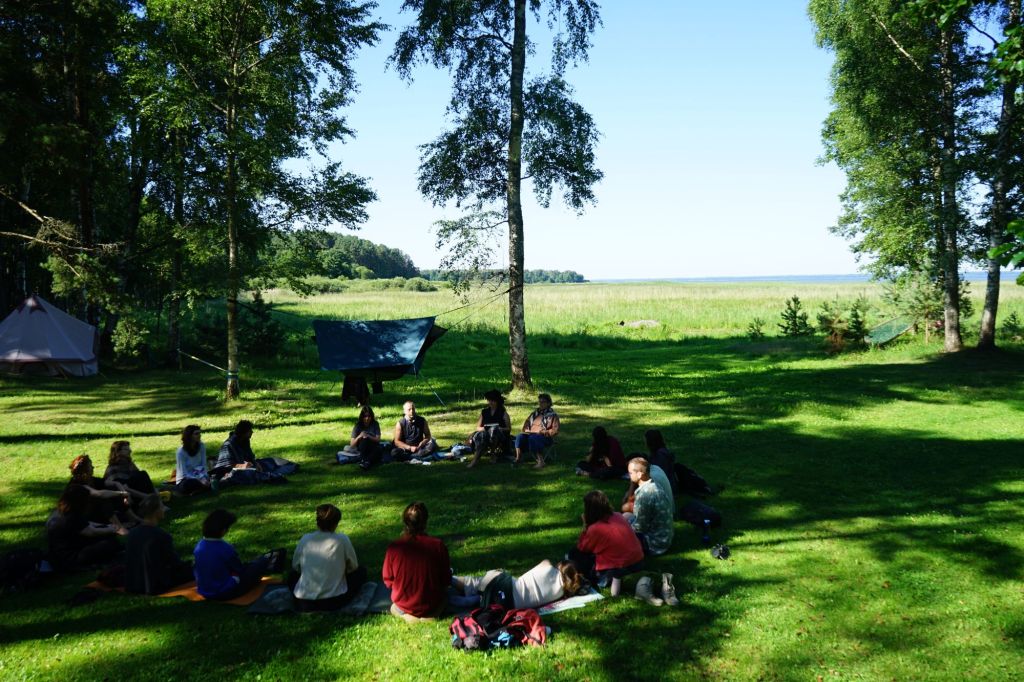
In any case, since the whole group created many beautiful artworks expressing our relationship to both inner and outer landscapes, using local materials and inspiration from the wilderness, and we had a chef preparing all our meals (shout-out to Gaianna), I decided to contextualise this summer camp as an artistic residence, rather than what became a group therapy retreat with some heavily ritualistic overtones. I found I couldn’t relate to the latter at all, my walls going up exactly as the dream had predicted. As a neurodivergent person I need to know exactly what is required of me in social settings and by whom; I also have different emotional needs that may come across as cold rationality, but it’s how I make sense of the world, both outside and inside. This can make “therapy” into something very damaging for me if it doesn’t take these differences into account, like telling me to “not think too much, just feel” or whatever. Feel which thing of the thousand ones I’m holding right this second? I remember everything that’s happened since I was a baby, and that’s if you don’t add the Platonic anamnesis I practise as an artist.
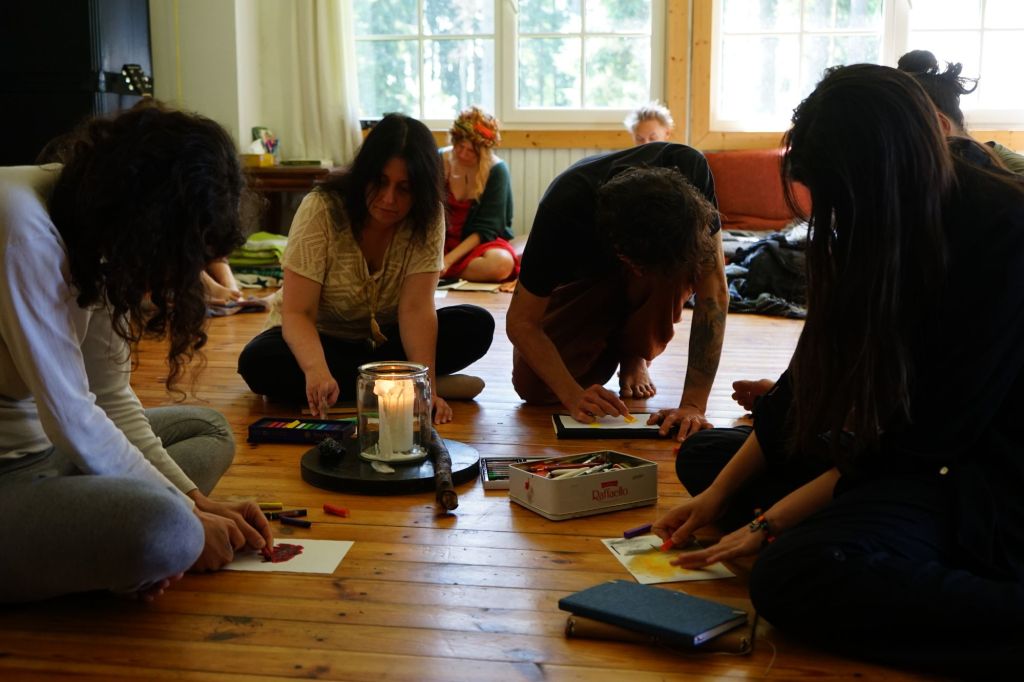
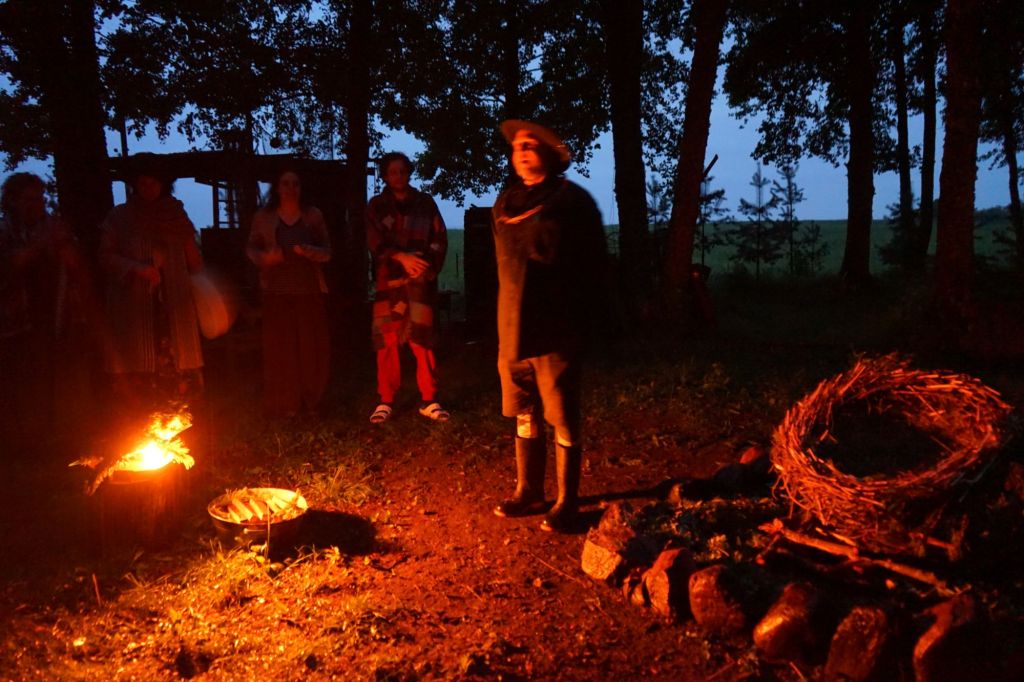
As for the ritual ceremonies that happened every day, all apart from one were a big turn-off for my ability to be present because I simply don’t understand what the point is: I was there to learn things and I knew everyone there was preoccupied with saving the planet, which is already, sincerely, a big help in our well-being, there isn’t a need for this extra layer of religiosity and forced gratitude that gives off a rather culty vibe. I wonder whether the existence of religious trauma was taken into consideration at any moment. On the other hand I was quite curious to learn about the cultural customs of the Estonian people because they seem to be among the last Natives of Europe, who understand what the land is; but as we were soon made aware, to my great surprise theirs is not a religion, not even in a Pagan sense, and they have successfully managed to avoid all the religions that ever tried to gain a foothold. So by all means, tell me more about that ancestral wisdom, please, not vague poetry about voices calling you in the dark that somehow we should all conjure up in sync and be transformed by. And another thing: “asking” nature or animals in your mind if they agree with your specific use of the land, then doing what you were thinking of anyway, isn’t consent in any book. First a direct line of communication has to be opened, so I’m ready to find out how anyone claims to have done that – talking to animals has obviously been a human fascination since immemorial times.
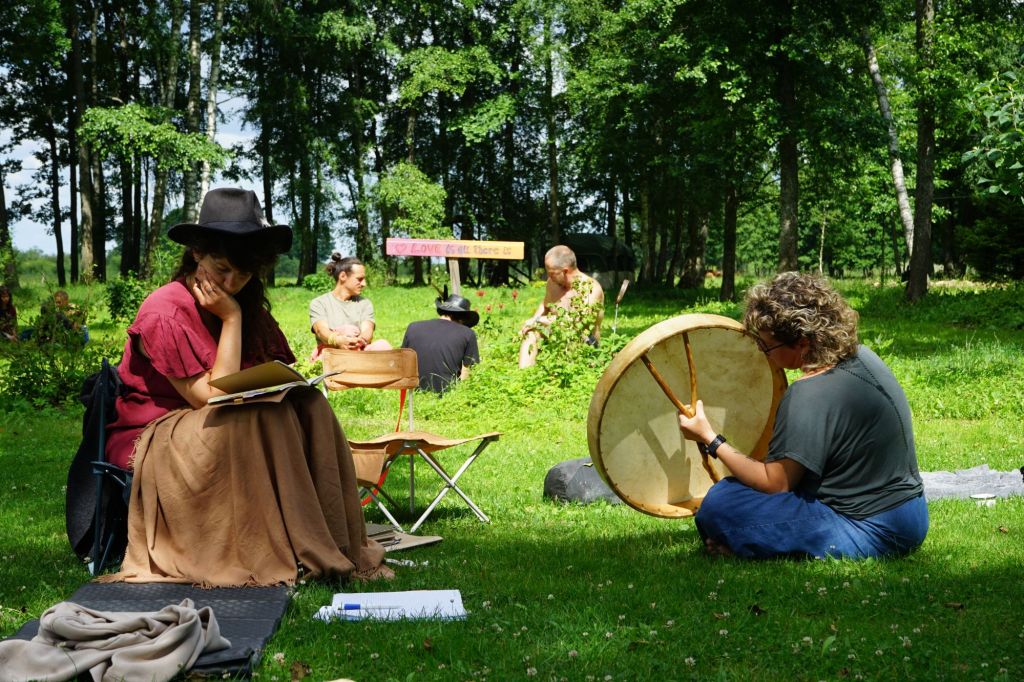
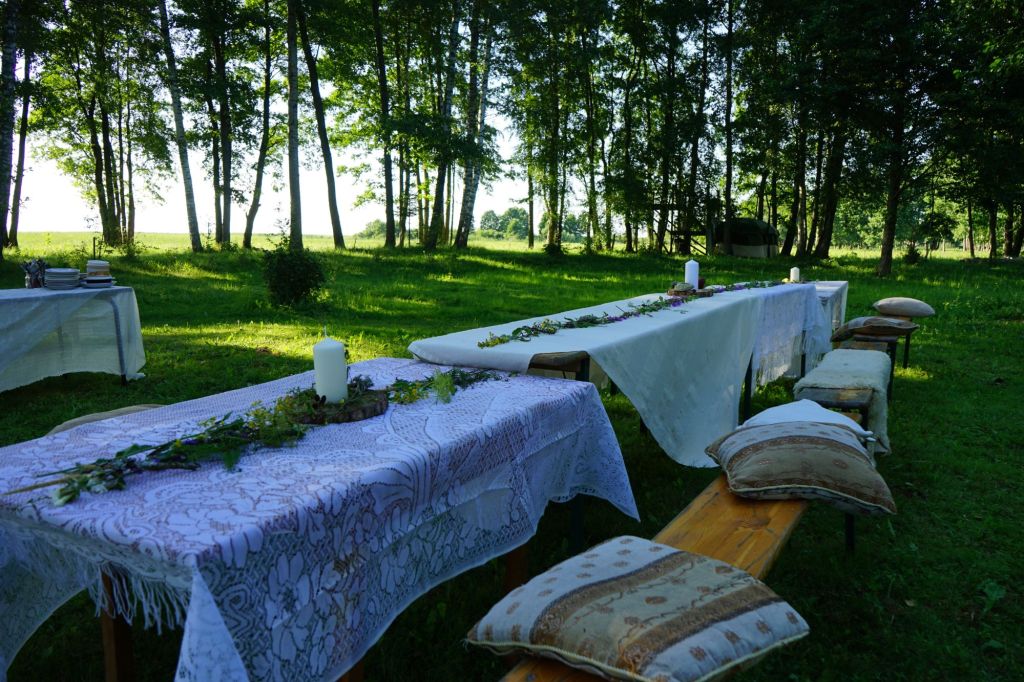
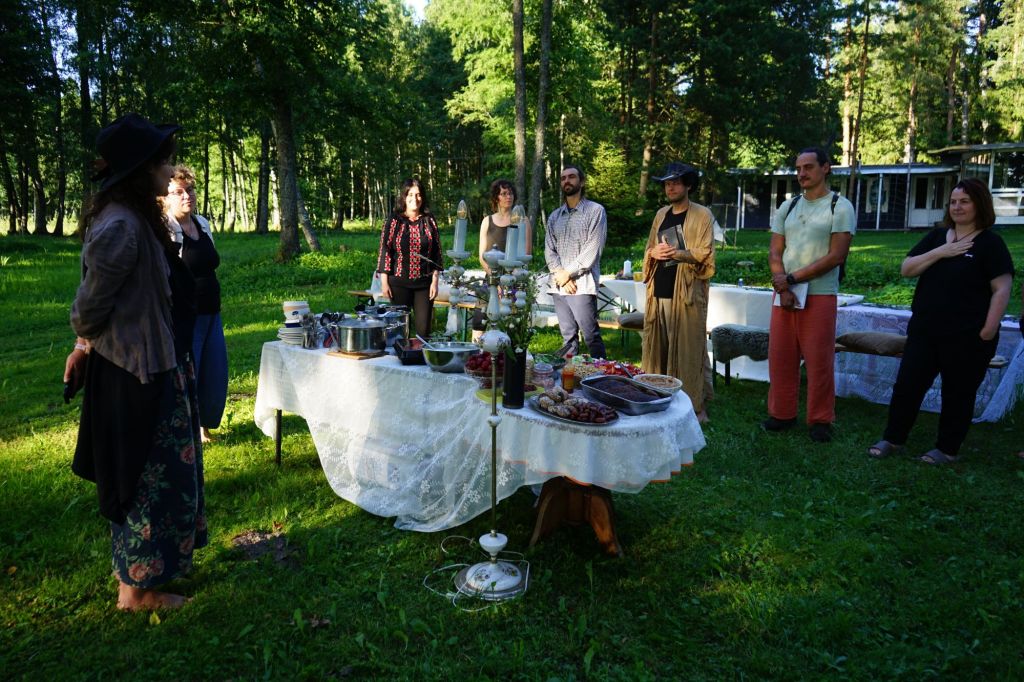
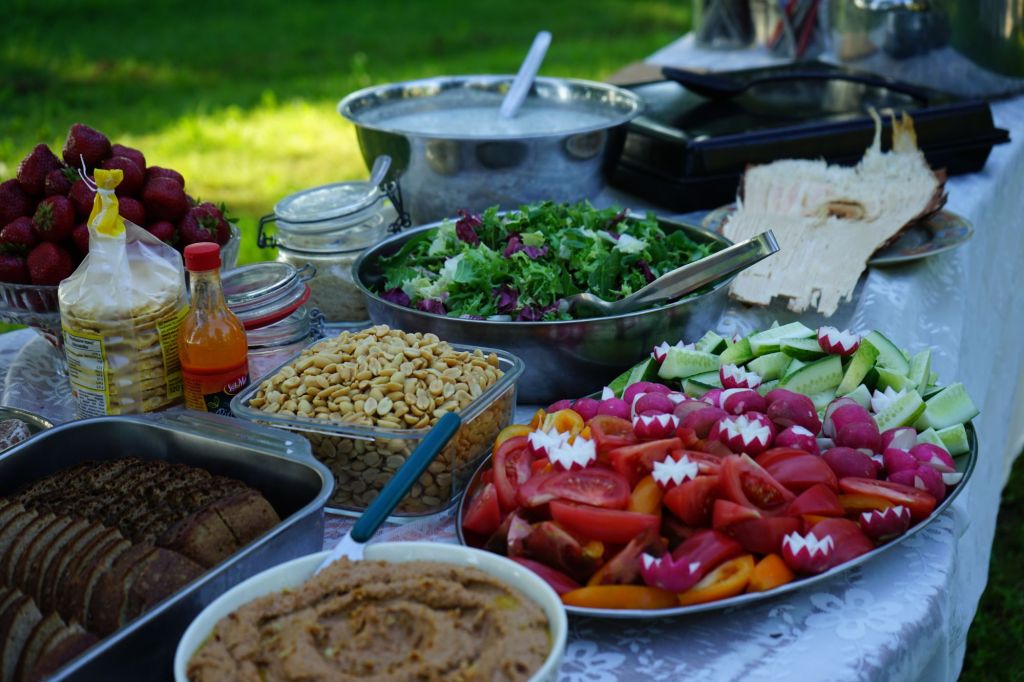
The one ceremony that fully made sense to me was the Feast after we returned from the deepest journey into the Wild, where we experienced a symbolic death. Noticing the care with which everything was prepared to welcome us back struck a very deep chord and it complemented the feeling of lightness perfectly. A curated moment like that goes a long way and has a better impact than being asked to be in this frame of mind several times per day.
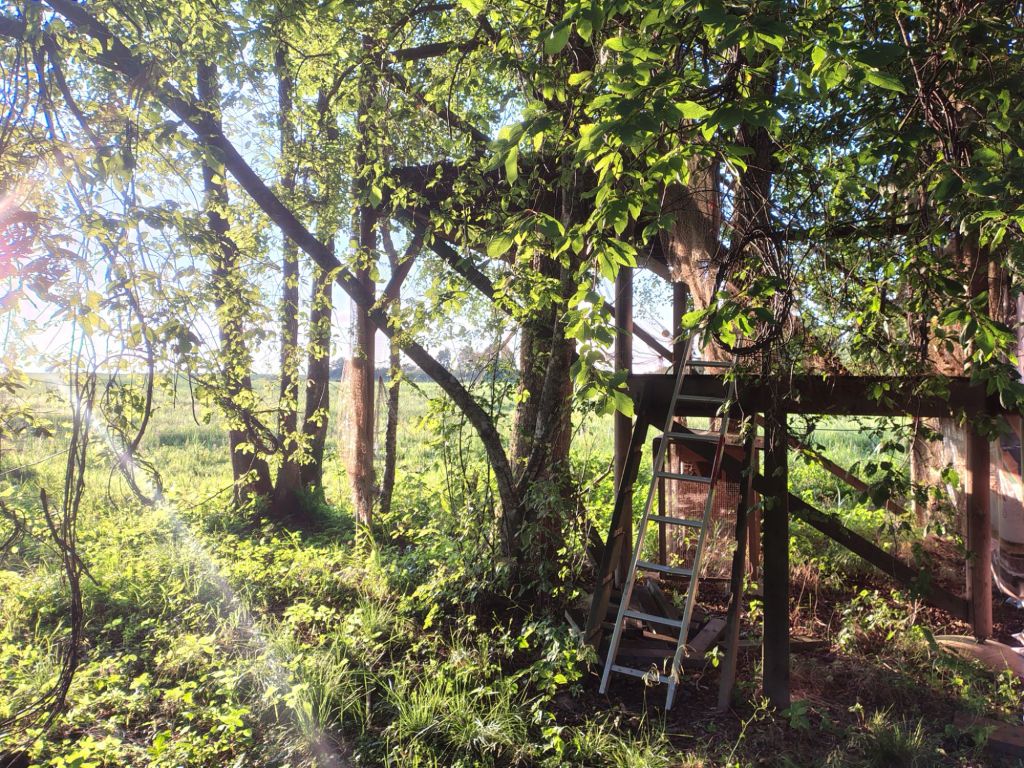
As this immense Universe yet small world would have it, one of the people I met there happened to be exactly like me: Jenny from Ireland was my lifeline when feeling like I was massively regressing due to ohildhood experiences at camp. We would talk about childhood, how the autistic brain gets overwhelmed by stimuli while the ADHD side seeks more stimuli, the work she’s doing in Ireland, and developing a project focused more on the ND experience. The tree deck was our favourite spot to hang out in, and it’s where I got the inspiration for my ongoing project at Grădina Zburătorii.
Now, this doesn’t mean that I couldn’t find connection with anyone else there, because there were many other deeply meaningful interactions – but they happened mostly during down-time and almost never in the official “Circle” time which is supposed to be about sharing your most intimate thoughts with the group. That to me is a forced kind of intimacy more prevalent in high-control groups and it was exhausting. Sometimes you don’t feel like hearing about anyone else’s problems, either.
(By the way, that was the same for discussing polyamory in front of strangers: big cringe, even if I must say personally I’m kind of into it, I feel if it’s right for the people involved then it feels right, right? I have examples… But not as a forced communal standard that’s supposedly more moral, with the typical speech about how “we have projected ownership onto love because we’re insecure and we have to deconstruct all that stuff” – because that’s just manipulative, controlling bullshit. The romantic ideal has always had true friendship at its core, and that takes serious work – so if it means dedicating oneself to just one person, or several, it’s nobody else’s business, is it?)
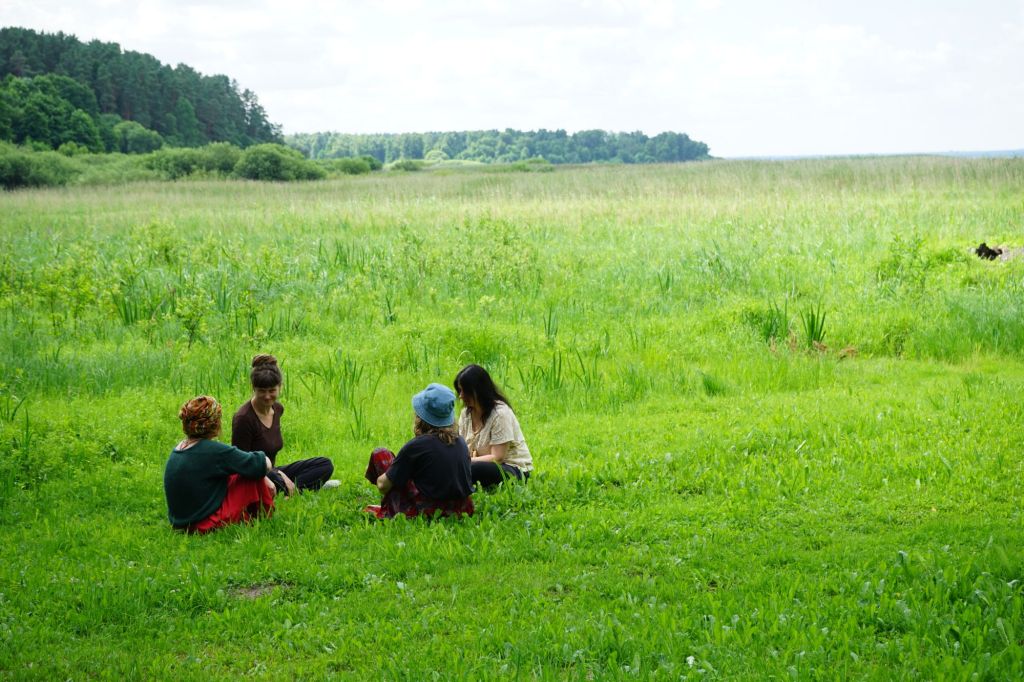
So in my opinion therapy is best done one-on-one, or with the group’s focus being on a more tangible result that everyone must pull together to achieve. That way you find true friendship closer to your own soul, or you can appease conflicts through having a shared goal regardless of personal incompatibility.
Let’s see what happened with my artistic residence though, according to these main principles:
- Experimenting with different practices on site
- Continuing a project you are already working on
- No expectations for a final product necessarily
- Making connections with other creatives
Check, check, check, and CHECK! Something very interesting happened when I shared with the group that I was looking to express more of my masculine energy which had been shamed in me growing up, and our Cloudberry Clan’s leader, Dragon Rose, suggested I try to emulate a man’s mannerisms for the rest of the camp (my first thought was, yeah but which man? My ideal ones are all super feminine). That evening Jenny offered me a Tarot Card reading, but not from the classical deck, one that has different symbols and is read by picking a card and then looking at “The Root” on the underside of the deck.
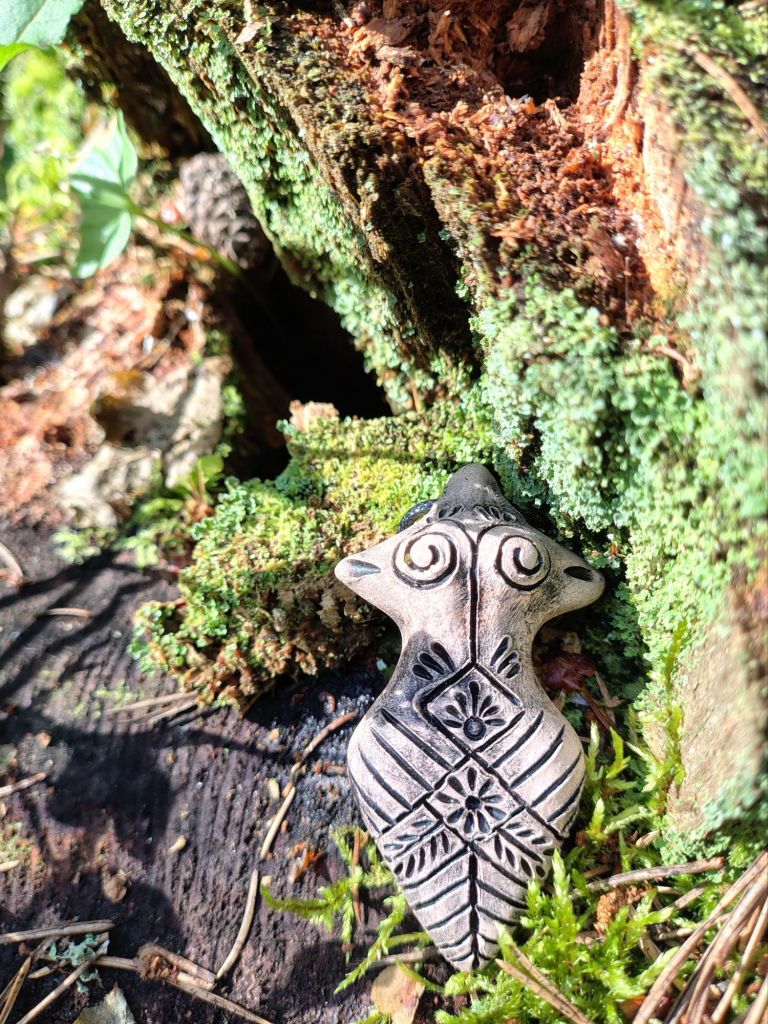
We did another reading, and another, and another. Each and every time, Masculine energy would come up, and at the Root was Feminine energy. The Sun God would turn up, and at the Root was the Mother Goddess. Balance would emerge, and the Root was the Reunion of Souls. Oh, come on! I was still very much confused as to what any of it meant in real terms, but I knew that it would take some time for me to process things and get the full picture.
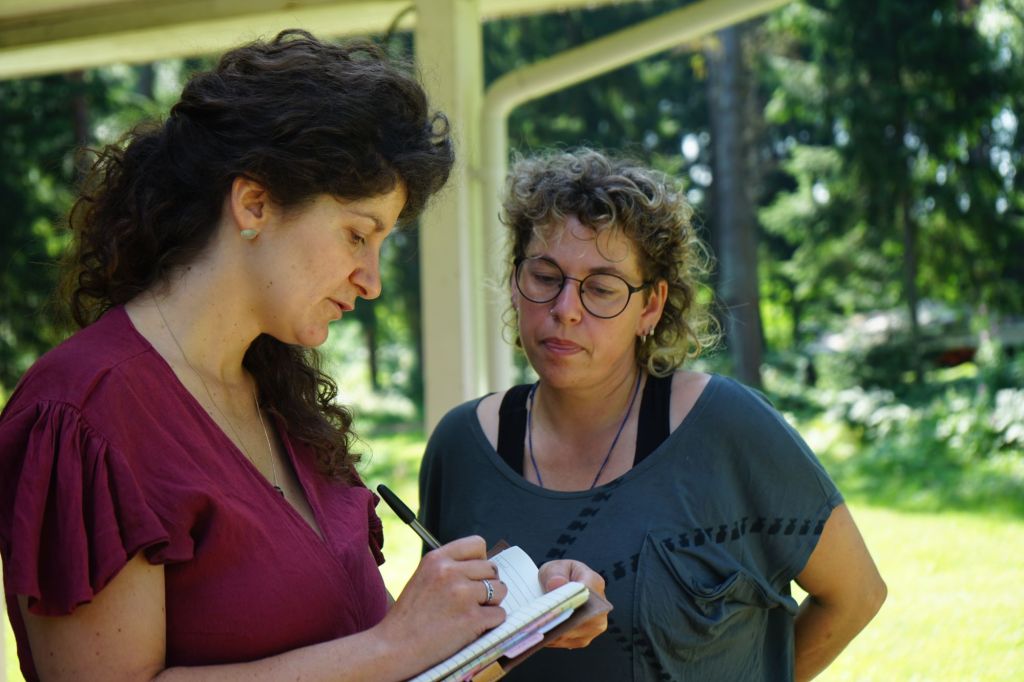
Towards the end of the retreat/residence, I saw everyone starting to get more into that artistic energy for its own sake, and sharing their skills as we held an afternoon dedicated to participant-led workshops. I commented on the negative pattern I see in many spiritual contexts where people think they’ve had this grand spiritual awakening and then lose all their passion for art and anything that could potentially change the world for the better, ironically turning into soulless ghosts of their former selves – so much for enlightenment. But that it wasn’t the case here was definitely a good sign. Later that evening, Dragon Rose shared a deeply personal poem she had written about her mentor, Black River Canyon.
… Then there were even more farewell ceremonies. Seriously, guys. Stop it. I get it: we are not alone and we don’t have to carry everything by ourselves, as the song picked by my Romanian colleague said in the farewell. But I don’t think that holding hands on instruction will help. What helped was to really listen to each individual and form those caring connections over a bit of time, really hear what the other was saying and understanding their perspective, then remembering that person is still out there somewhere, who gets you. Otherwise you are still alone in the middle of a crowd of people hugging you and smiling benevolently at you, if they are doing it just to feel spiritually superior and like they’re above sadness and sorrow, that’s not how any of this works.
***
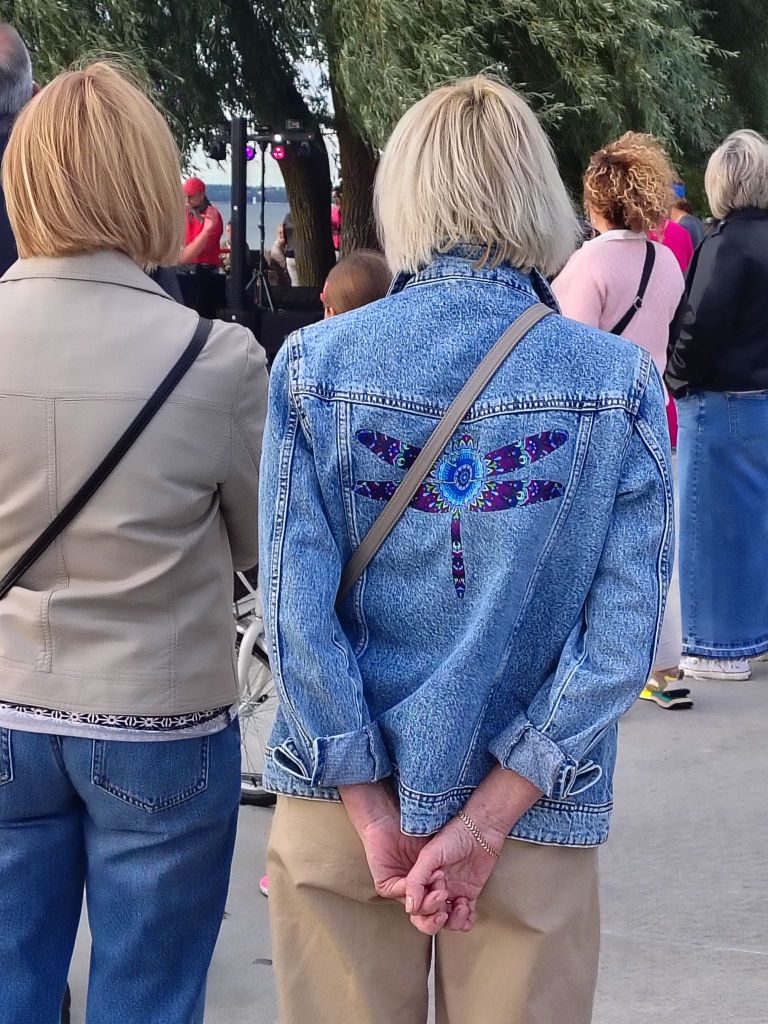
I am now back home in Romania, having travelled by bus all the way from Tallinn, where I spent a couple more days exploring. I can’t believe what a smooth 48-hour ride it’s been, really, the Tatra Mountains were my favourite segment. Tallinn was of course rife with syncs and symbolism from our camp, like the three animal totems that turned up for me in another card reading: Duck (Step into Sacred Union), Dragonfly (Explore New Avenues) and Llama (Forget About What Others Think). Very predictably, I didn’t see that many llamas in Estonia, not even one. But I will let you know if I do. Ducks and dragonflies on the other hand:
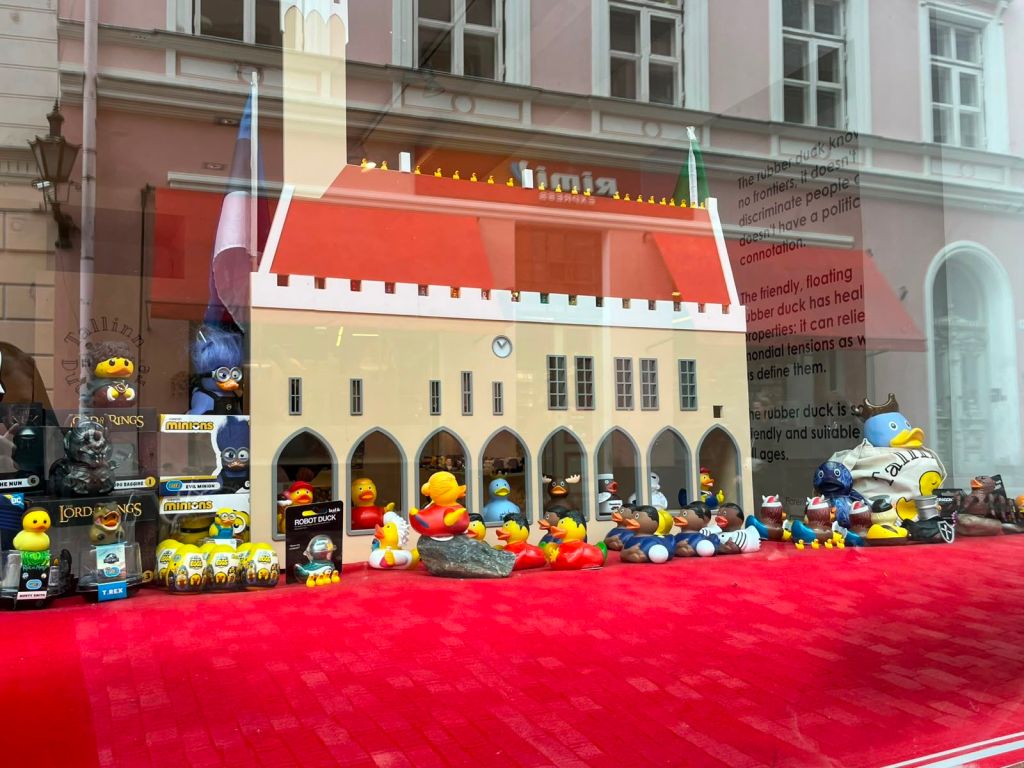
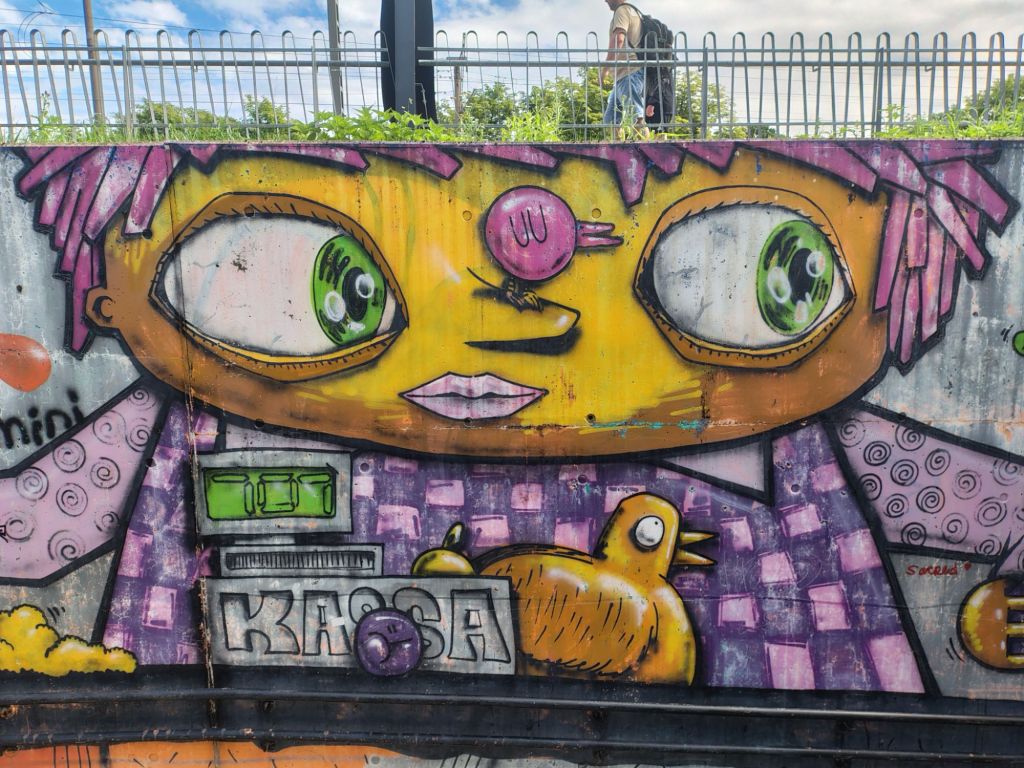
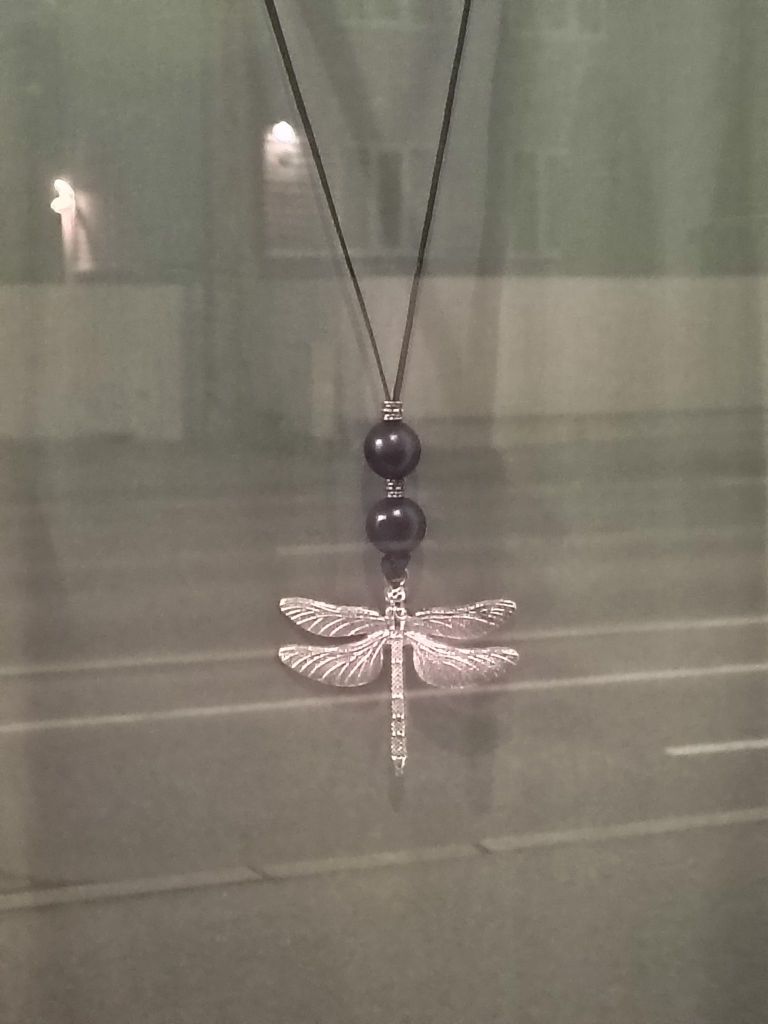
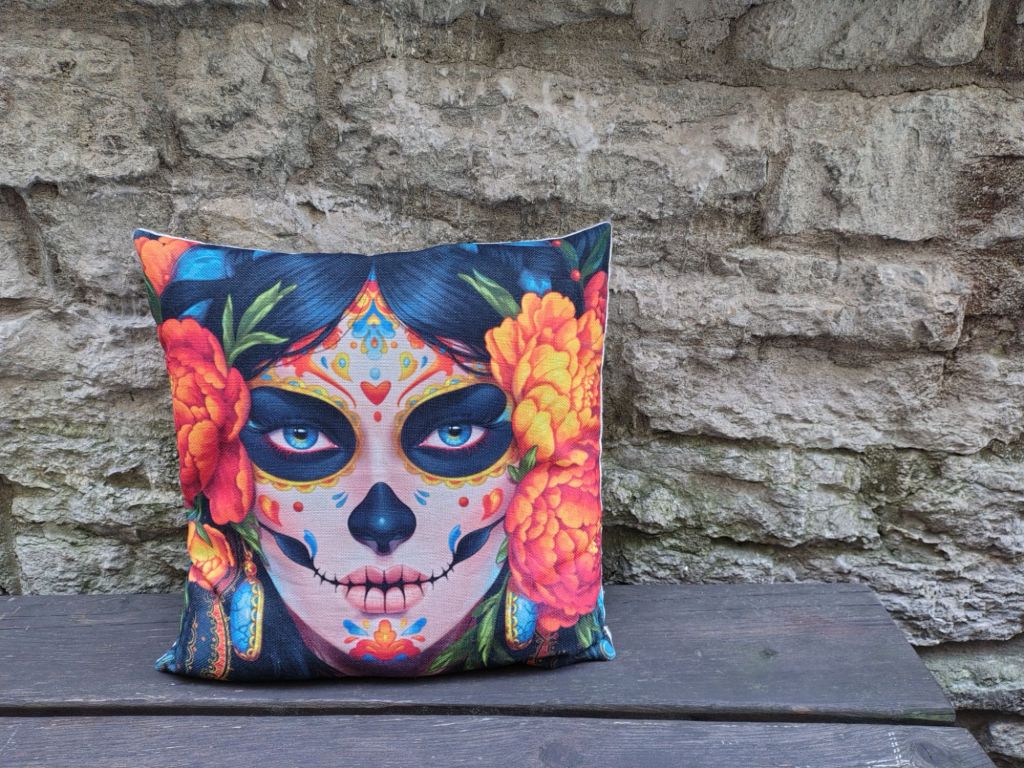
Bonus: Dionysus had told me during the camp that he saw the lady from the Mexican Day of the Dead in me, then I saw this on my wander in Tallinn – so maybe that’s a roundabout way of getting a llama.
With what I’ve learned in Estonia, I am finishing up my long-suffering project I started in New Zealand, koeau | identity – also as you will see around here, I’ve finally come to terms with having had a mentor-student relationship which I didn’t know how to even begin acknowledging. As I’m doing those things, suddenly I come across this reference to a Gnostic text, which immediately clicks in my head with J.R.R. Tolkien’s lifelong reworking of Fairytale archetypes to imply that the Brothers Grimm had got it all wrong: the Witch lurking in the woods was actually Snow White’s mentor and protector, and it was the Dwarves who were asleep…
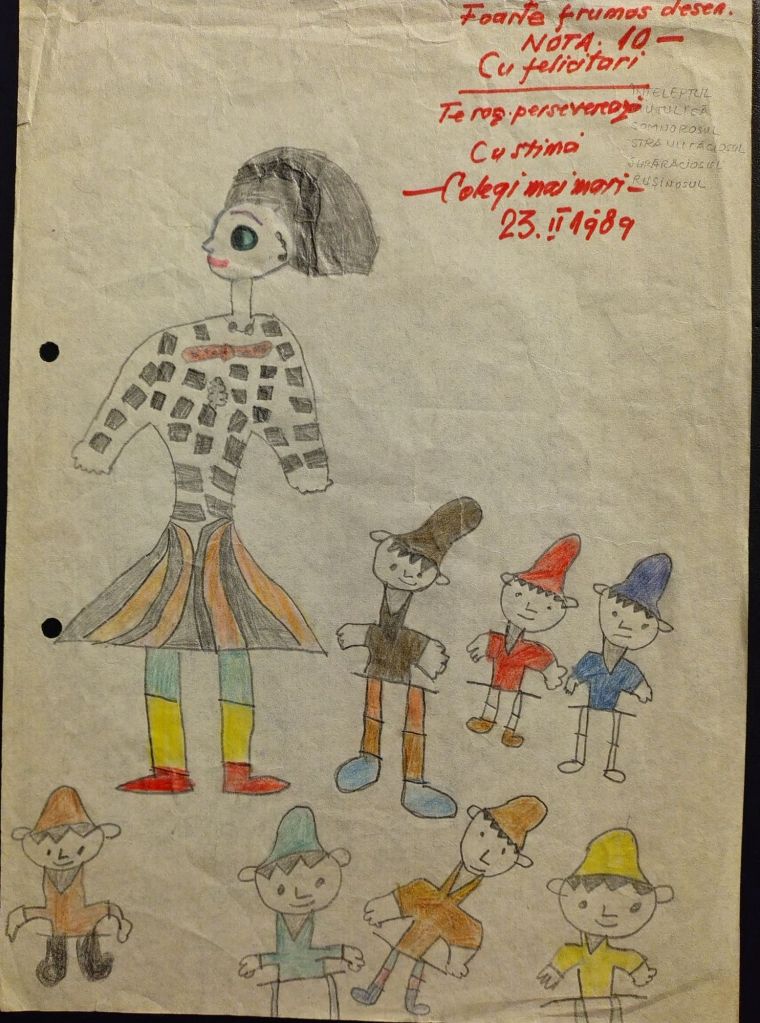
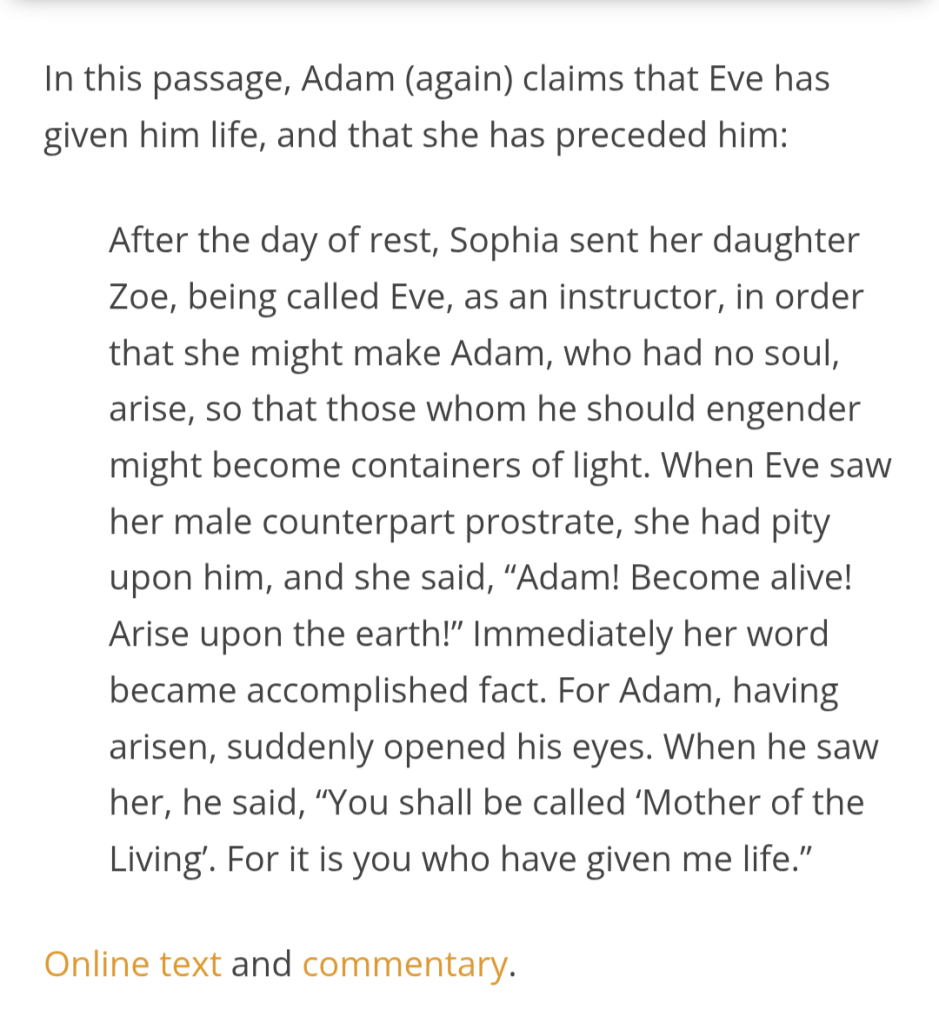
Mentor and student – the OG
“Nah, I’ll just take Scaramouche. I quite liked that one actually. Sounds very… anarchic!”